Chicago's Ordway Family and International Espionage
I was privileged a fortnight prior to be given access to the Congdon Family papers at the University of Minnesota in Duluth. The Congdons were James Jesus Angleton’s “in” to his nearly three decades of CIA work; they were also the political nemesis of CIA head William Egan Colby’s family in Minneapolis— an organized crime family. These papers included the Congdon’s financial accounts from the 1880s through the mid 1930s. These ledgers are a wealth of information: particularly regarding patriarch Chester Adgate Congdon’s sudden international bond purchases in the run up to WWI.
Chester wasn’t a bond man, he was a mining man. He invested in mining stocks; water and electric companies (mining’s civic sisters); and agricultural land. It’s smart to invest in what you understand and for most of his life Chester did just that. But in 1915 an international investment consortium lead by Lord Reading, Lord Rothschild’s man inside the Foreign Service who finessed the Balfour Declaration, strategized to bring American millionaires into WWI on the side of London’s merchant bankers.
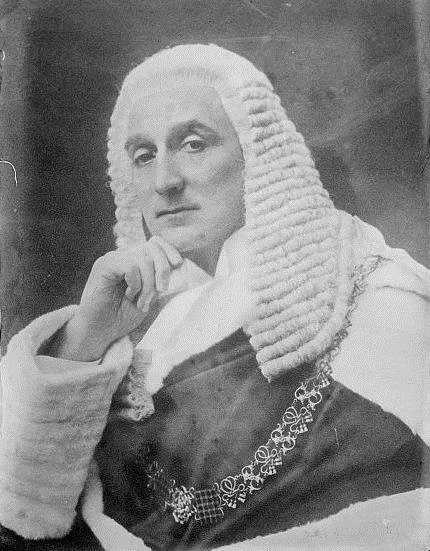
Sir Rufus Isaacs, later Lord Reading. Much like modern Muslim activists in Great Britain, in the early twentieth century Zionists used the British court system as a backdoor to political power. Here’s Isaacs as “Lord Chief Justice of England”. Isaac’s criminal lawyer contemporary Sir George Lewis, spy Otto Kahn’s patron, was London society’s king of blackmail and who, as far as toughs like David Belasco were concerned, held the keys to the “Old Bailey” prison.

Here’s Isaacs as “Viceroy of India”. This painting was executed by Philip de László, an Austro-Hungarian painter favored by the Hapsburgs, the Ringstrasse, and their fellow travelers in London.
Chester was a soft touch because, like most of America’s Quakers, he was pro-British and materialistic. What may surprise readers is that Lord Reading’s bond putsch was for “Anglo-French” bonds, not British ones. The bonds were organized by a a consortium of British, French, and Russian government-backed bankers in order to buy American munitions for the war against Germany. Isaac’s bond issue angered many Jewish banking houses stateside which, like socialist Humanitarian Cult moneybags Joseph Seligman, were in a perpetual battle against the Tsar of Russia, who they felt didn’t protect their business interests and who they were busy trying to depose. Jewish bankers like Otto Kahn were inclined to cooperate with Germany, however, with Rothschild support and the J.P. Morgan/ Charles G. Dawes pair spearheading the Anglo-French plan, Isaacs’ bonds were offered to the Chester Congdons of North America nonetheless. Prior to the issue, the British Parliament had noted the unusually high commissions received by bankers underwriting this loan, as well as the exorbitant rates of interest paid overseas: 150% of what parliamentarians thought comparable securities should earn. Of course, the “American Loan Bill” passed.
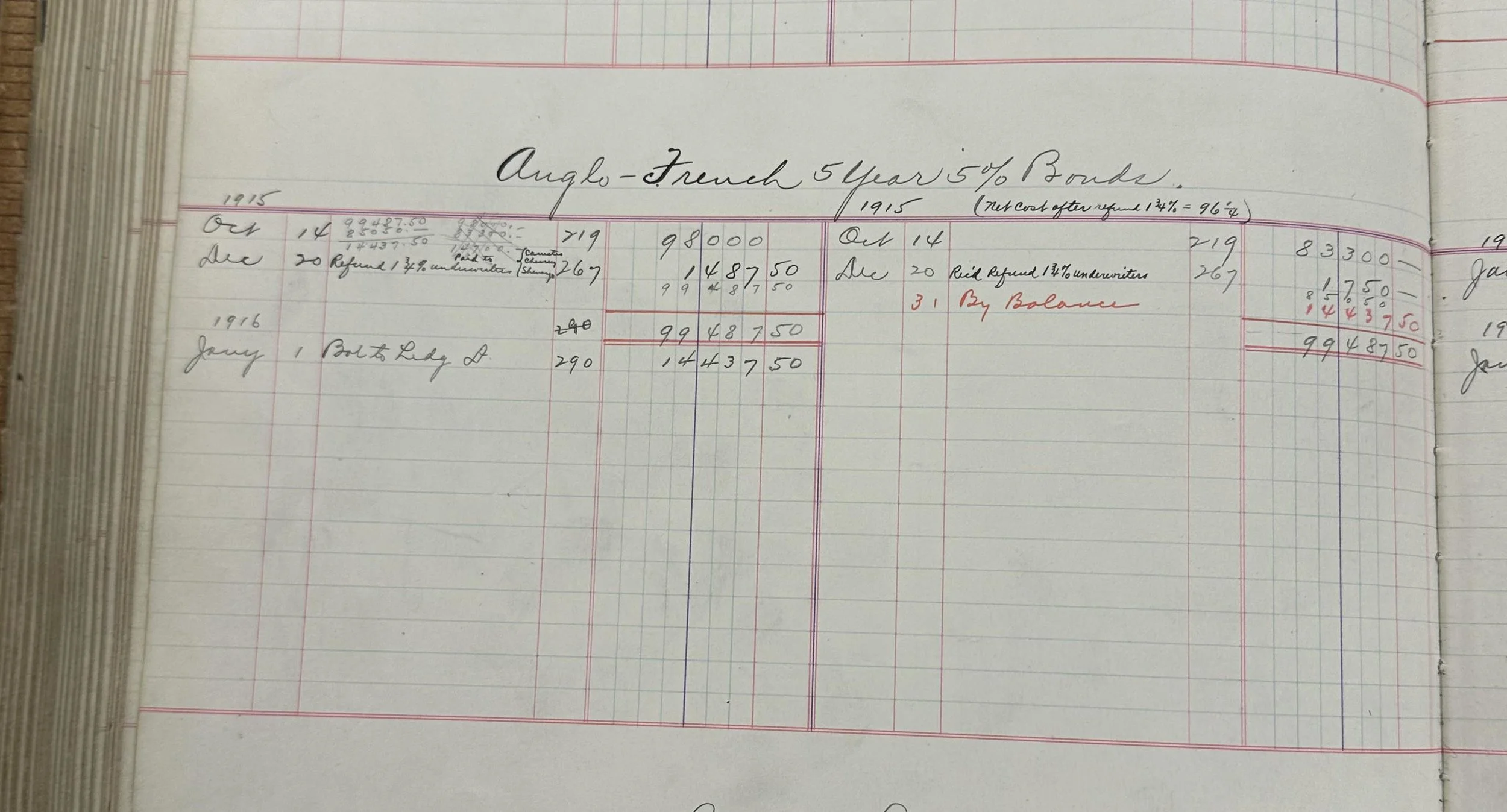
Good Business If You Can Get Them To Pay It: The net cost of Chester A. Congdon’s Anglo-French purchases— a healthy little position for 1915! An additional $14,000+ purchase was made in January 1916.
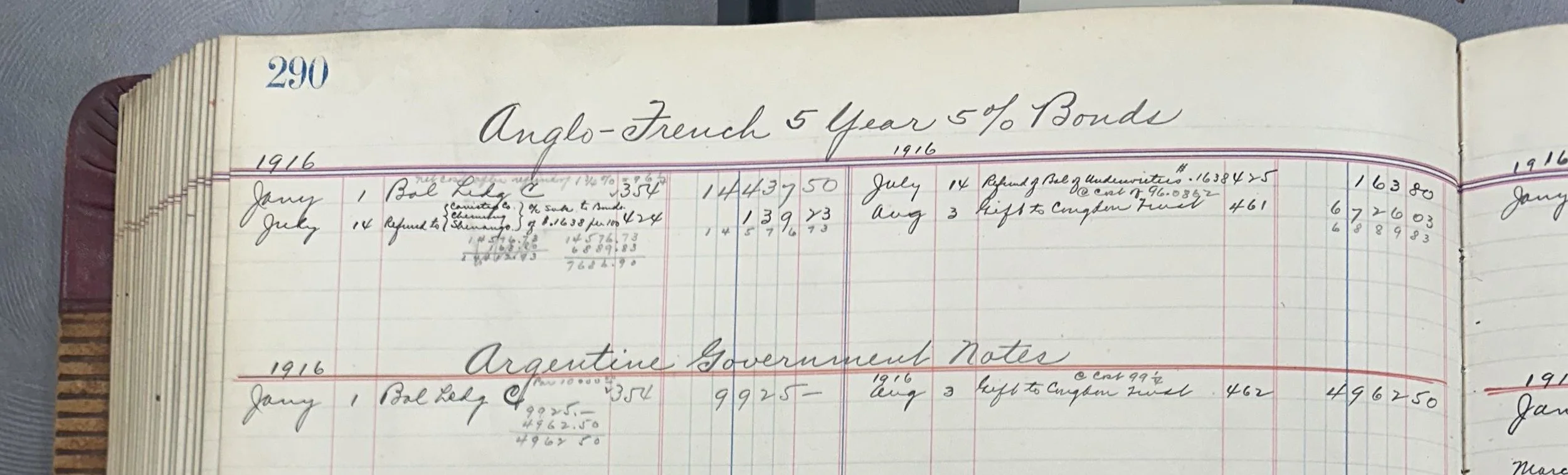
The 1916 Anglo-French accounting as entered into Chester’s Treasury. Note how he gifts a chunk to the Congdon Trust in early August. Chester would die unexpectedly in about a year’s time.
In the summer of 1916, eleven months after the Anglo-French bond debacle, Chester would splash even farther afield buying Russian bonds during the tottering final days of the Provisional Government of Kerensky. And if the British got screwed at 5%, check out the Tsar’s 6.5%!
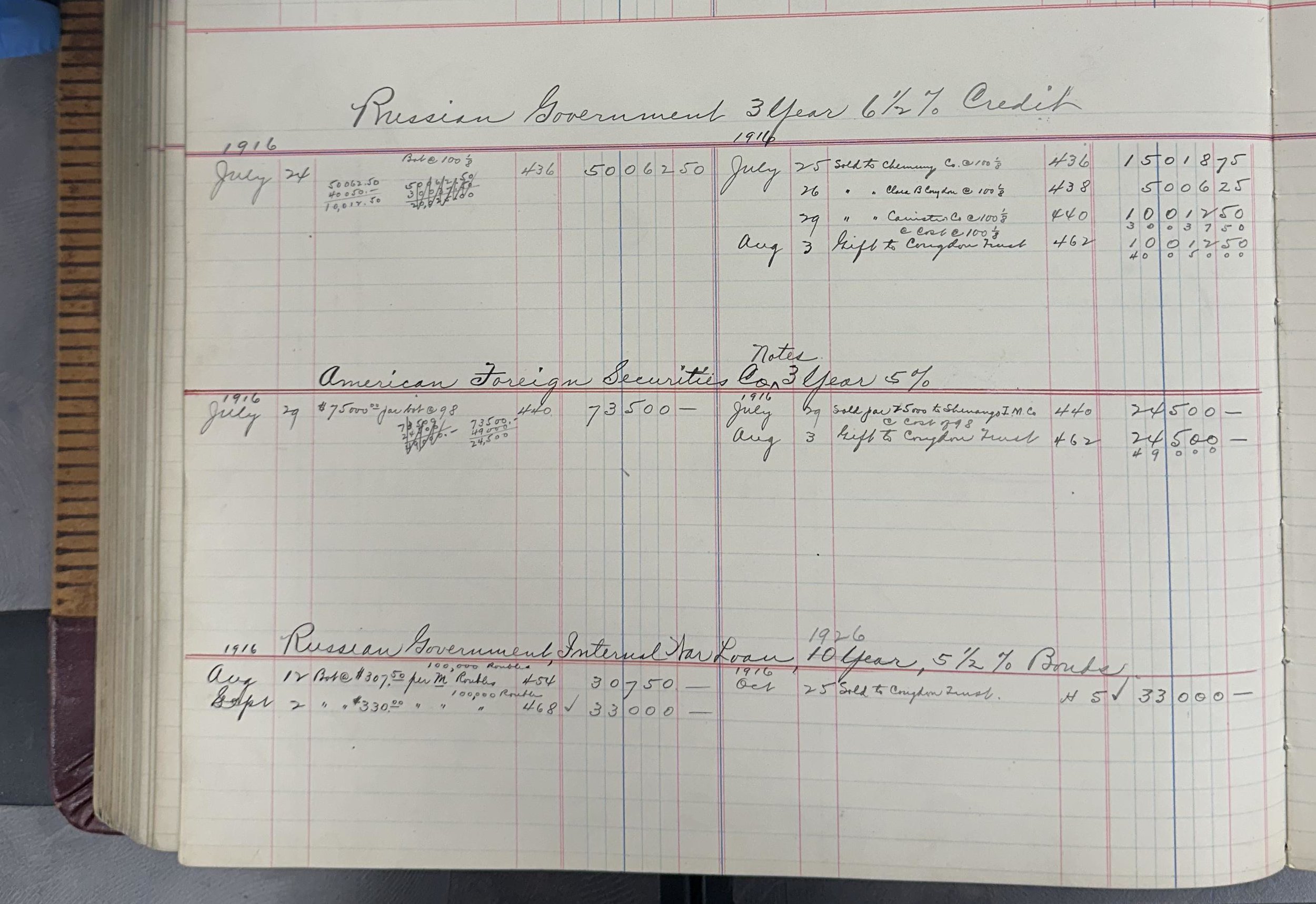
Congdon accounting for the Russian loan. The 10 year bond was intended to mature in 1926. The 6.5% bond was immediately sold to Clara, his wife, and other companies Chester owned (Chemung, Canisteo,) and some gifted to that Congdon Trust. In a short space of time Chester would sell his Anglo-French Bonds to these same companies, but not Clara. Clara would hold onto these Russian bonds well into the 1930s.
Chester’s 1916 Russian bond purchase appeared more risky than it actually was. Russia itself was very unstable: Cafe Central’s Leon Trotsky had spent years marshaling support in NYC and in a few months Imperial Germany would whisk Lenin to St. Petersburg on a special “sealed train”. Upon taking power the Bolsheviks repudiated these bonds, but revolutionaries had friends in high places. The poor people of France were prevailed upon to service the Russian payments instead. Why? Important French bankers were responsible for enabling the tsar’s last loans. These bankers included the French branch of the powerful Rothschild family, therefore the same international network of financiers who Lord Reading represented were called on to displace the consequences of the family’s bad banking decisions. From Eric Toussaint, “Russian loans never die” Oct 7, 2017 InternationalViewpoint.org:
In France, in September 1918, the government proposed to exchange Russian bonds for French debt-paper. Russian bond-holders could acquire bonds for the new loan that the French government was making. In July 1919, the French government repeated the operation. In Rome, London and Washington the authorities did the same: they exchanged Russian bonds respectively for Italian, British or US bonds. As for the Japanese government, it indemnified Japanese holders of Russian bonds at a rate of 100%. [3]
Clearly, in acting in this way the governments of these countries came to the rescue of the bankers who should have been held responsible for financing the Tsarist regime and been made to bear the consequences of the repudiation of odious debt. In the case of the French, the French government had actively shared responsibility with the bankers who supported the Tsar’s regime. The French government had systematically encouraged the most affluent of the middle class, to acquire Russian bonds.
So Chester, a babe in the bond-woods, went deep and heavy into territory that there’s no way he could have understood on his own. Clara held these securities throughout the 1930s, but some investors were still hoping for repayment as late as the 1990s, and as of this January there are US companies trying to get their money back, from The Moscow Times, “U.S. Investment Fund Sues Russia Over $225Bln in Unpaid Tsarist-Era Debts” January16, 2026:
Noble Capital claimed ownership of $25 million in sovereign bonds issued by the Russian imperial government in December 1916 through a syndicate led by Citibank [J. P. Morgan back then], which recently approved a plan to sell the last of its business operations in Russia.
So who put Chester Adgate Congdon onto this fine investment?
It turns out that Chester was sold these bonds by a boutique firm in Minneapolis named “William W. Eastman Co.”

Chester spent US$ 30,750 in 1916 US dollars on the advice of whomever ran “William W. Eastman Company.” William W. Eastman was the name of a prominent flour millionaire in Minneapolis who was dead by 1902.
Two assets carry a sure premium in the financial community: insider information and access to wealthy individuals. You need to have one or both of those blessings to get rich in the money business, otherwise you’ll be working really hard for a barely middle class income. Who ran the William W. Eastman Company?
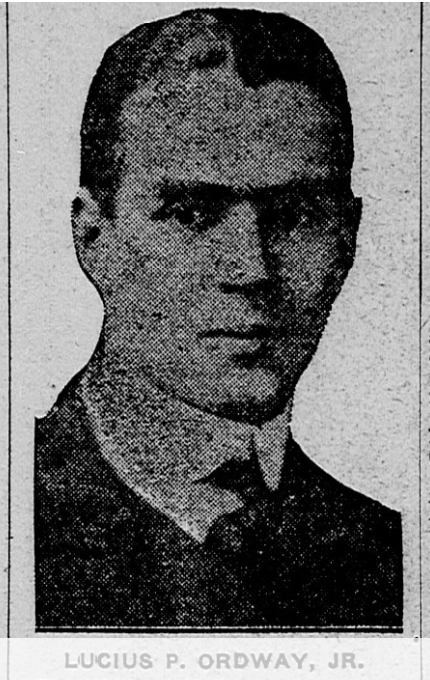
The William W. Eastman Company was a one-room operation run by Lucius Pond Ordway Jr., a guy who liked to party with Romanov-Exes in 1930s Palm Beach. The firm was named “William W. Eastman” because the back-office boys, Edwin A. Fish and James K. Edsal, recruited a young man with the same name as the famous Minneapolis developer “William Wallace Eastman”, who had died in 1902. This young man may or may not have been a relative of the developer, but whatever his background, he left the firm to join the US Air force almost immediately. Fish and Edsal were bond resellers for Thomas Lamont, the famous J. P. Morgan executive who was investigated by Congress for information brokering during the forming of the Treaty of Versailles. While Fish and Edsal were veteran securities-slingers, they didn’t have access to Minnesota’s mining wealth. Ordway could help with that.
Lucius Pond Ordway Jr. has a family history which ties together a plethora of threads running through andreanolen.com: Lincoln’s Boston backers; The White Slave Trade; Flo Ziegfeld Jr.; The Kentucky Colony; Twin Cities Organized Crime; The “Central Intelligence Agency” and Central Florida Real Estate millionaires.
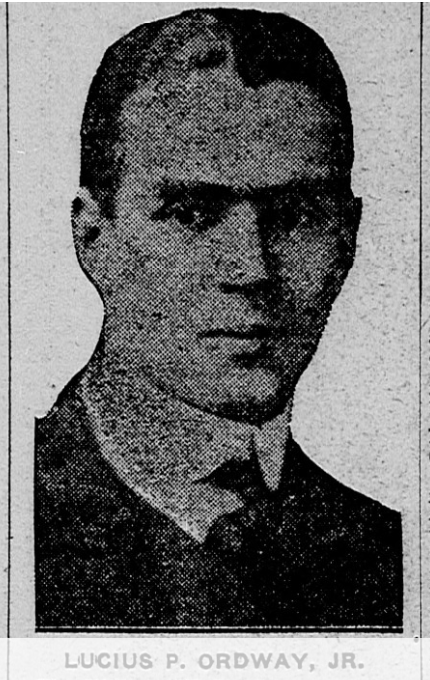
Lou Ordway Jr. is almost a parody of what andreanolen.com exists to expose, and if someone had told me that he existed a fortnight prior, I would probably have laughed them off. I apologize! On the bright side, if you’d like to understand what went wrong in our republic, you could do worse than examine the genesis of Lou. Let’s begin.
Lou Ordway was the great-nephew of a prominent Boston entertainment mogul named John Pond Ordway. John, a Harvard Medical College graduate, was a veteran of the US Civil War: he was one of the first surgeons to volunteer with Lincoln and he served at Gettysburg. An abolitionist, you may ask? No, not quite.
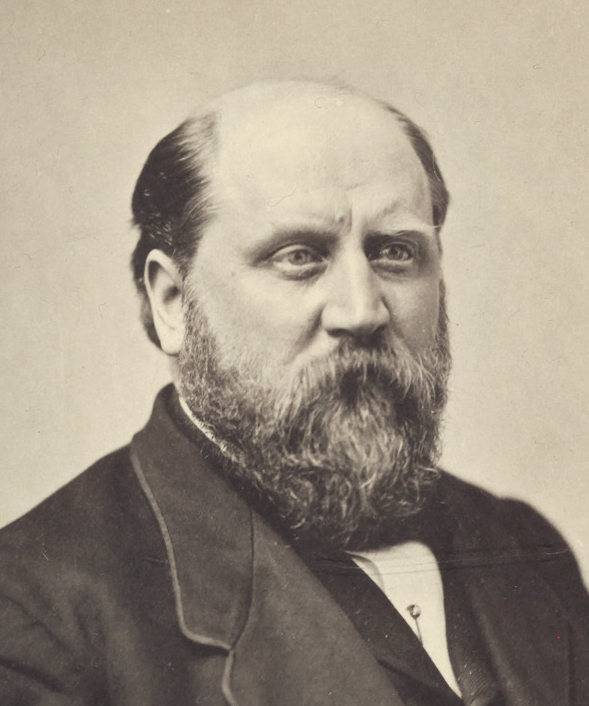
Union veteran Dr. John Pond Ordway, Lincoln’s Finest.
Dr. Ordway made his money running minstrel shows from his Boston theater, Ordway Hall. Minstrelsy is something typically associated with Yiddish theater, but Dr. Ordway represented it in pre-war Boston. The minstrels were not usually black, but white performers in black face paint who played music associated with the American South. Here’s an example of an advertising flyer published by the Union doctor:
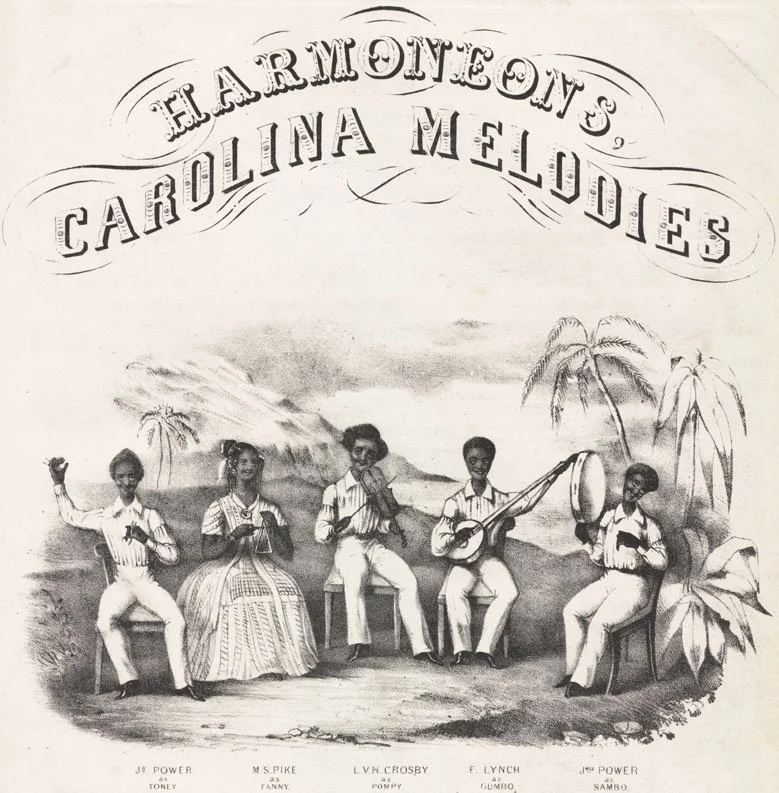
Looks like a good time: “De Skeeters Do Bite” performance by the Harmoneon's Carolina Melodists, playing music by L. V. H. Crosby and published by A. & J. P. Ordway. Boston Public Library Collections, Music. Creative Commons Attribution 2.0 Generic license.
It would be unfair to judge Ordway Hall by modern standards, after all it was an 1800s institution. Unfortunately, the hall seems to have attracted a disreputable type of act even by the standards of that time. Take, for instance, this trafficking case:
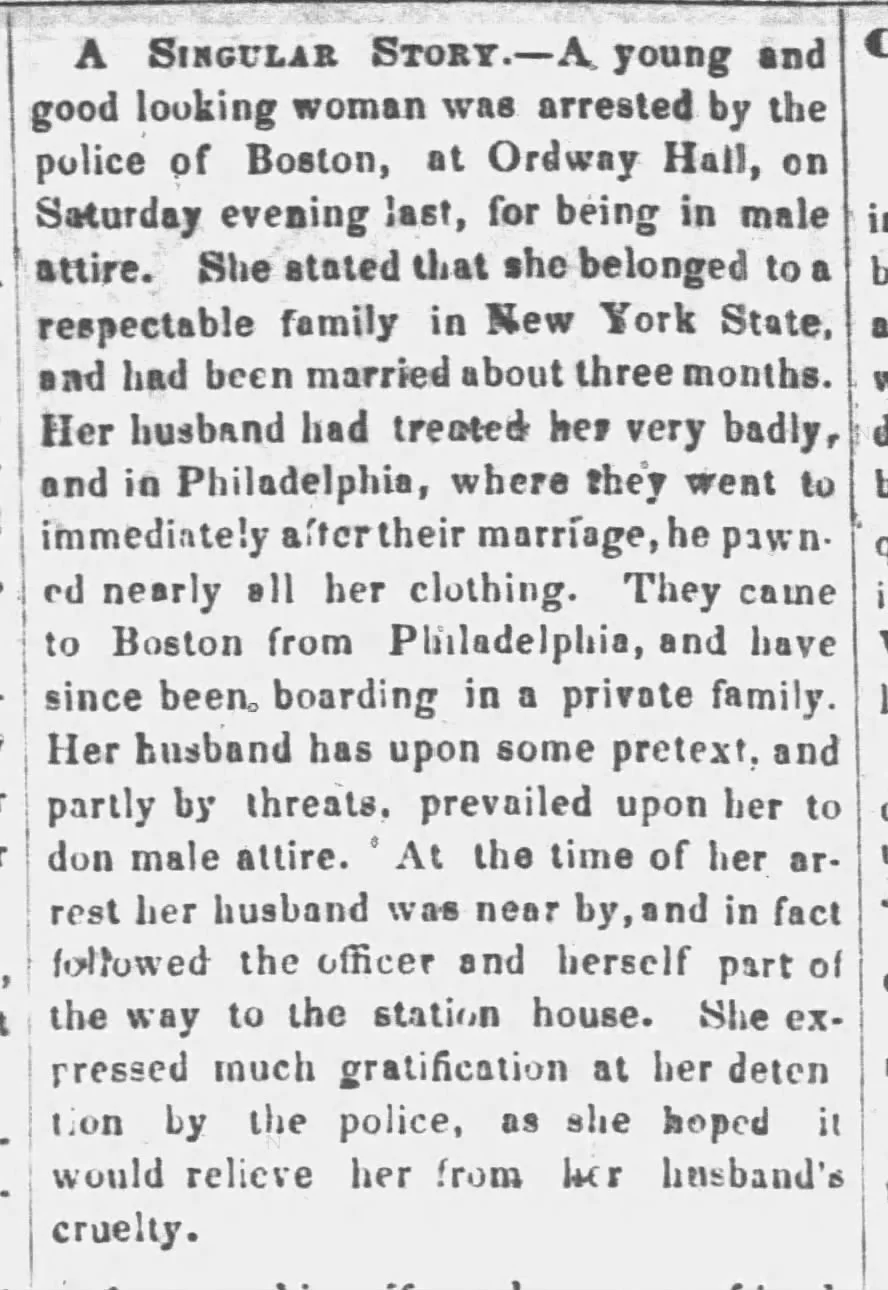
South Western Local (newspaper, Wisconsin), May 11 1860. Readers may remember that Philadelphia, the Quaker City, was prominent in the early American sex trade.
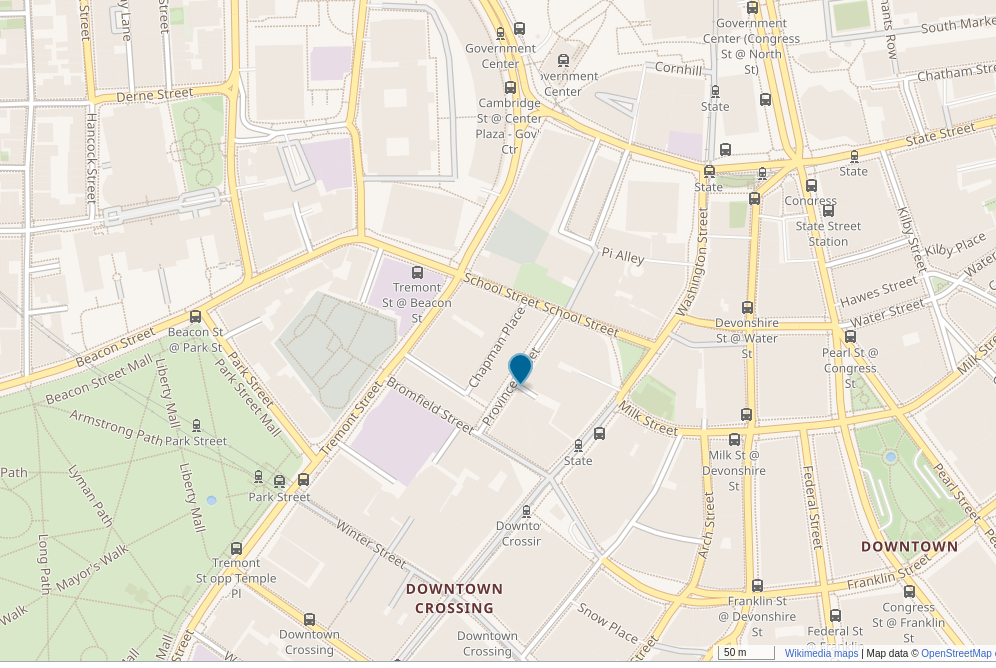
The location of Ordway Hall, since demolished, was near Boston’s seedy downtown theater district and a distance easily traversed by punters from Beacon Street and other tony neighborhoods.
Dr. Ordway wasn’t just a surgeon for Lincoln’s army. He was also the first employer of Patrick Sarsfield Gilmore, who earned his stripes working in "Ordway's Aeolians" as a blackface tambourine-player. Gilmore, an Irishman named after a Jacobite Catholic general from a family with English sympathies, joined the Union Army and wrote “When Johnny Comes Marching Home Again”. Many of his fellow countrymen in New England were forcibly drafted to fight in that alien war, only to have their jobs taken by black migrants from the destabilized South. Irish laborers were between the potato famine and a bullet, you might say.
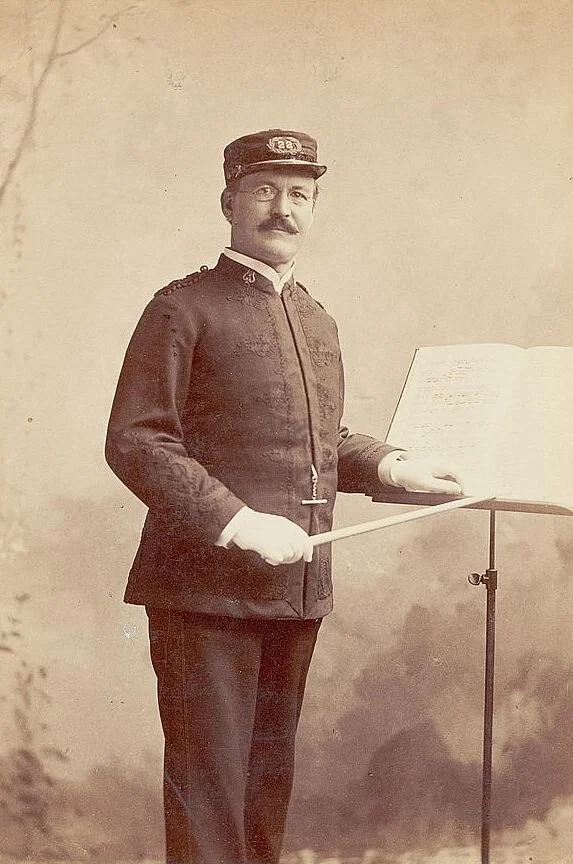
Patrick Sarsfield Gilmore. There were numerous synergies between the American military musical establishment and Yiddish theater in New York City. The Army/Yiddish musical alliance competed with the the Austrian/German propaganda column (as represented by Otto Kahn) to dominate the city’s musical culture before WWI.
During the Reconstruction, Gilmore met a German immigrant named Dr. Lawrence Ziegfeld who put Gilmore in business with both the Kaiser’s and Franz Joseph’s favored propaganda musicians. Regular readers know Dr. Ziegfeld as a recipient of sex trade don Bertha Palmer’s patronage. So Chicago’s Kentucky Colony prostitution mobsters found their musical representative among the black-faced and trafficked musicians of pre-1860 Boston. Dr. Ziegfeld’s marshaling of hundreds of Austro-Hungarian musical acts for the Columbian Exposition of 1893 and his son’s “Follies” suddenly make sense now, don’t they?
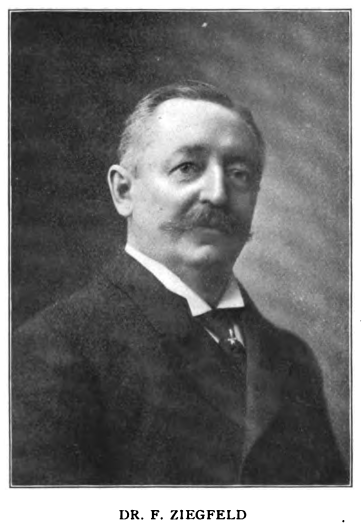
Bertha Palmer tried to promote Dr. Florence Ziegfeld as the musical face of the USA for Chicago’s Columbian Exposition, much to the ridicule of the rest of the country.
While Lou Ordway’s great-uncle was, er, making music, Lou’s grandfather Lucius Aaron Ordway was edging into the textile industry as plant manager for the wealthy Rhode Island Sayles family. The Sayles made their money in bleacheries, a nasty but necessary business for New England’s other cloth fortunes like that of Bliss, Fayban & Co. (As in the NSA’s Col. Fayban in Chicago.) The Sayles money would make its way to Minnesota to fund the uber-liberal Carleton College.
Lucius Aaron’s son Lucius Pond Ordway Sr moved to Chicago where he sold brass water fittings for the post 1871-fire rebuild and eventually became a partner with Richard Teller Crane in Crane & Ordway, the leading manufacturer of steam engine parts in the region. Richard Teller Crane’s family became an intergenerational power in the State Department because of their Arabic and Slavic expertise until his grandson Richard Teller Crane II’s suspicious “suicide” in 1938. The Cranes spoke out against Zionist/Galician Gang interests.
Lucius Pond Ordway Sr. took the cash from that Chicago brass endeavor to develop St. Paul, MN. He also became the principal investor in what is now know as “3M”, the company which after the death of Charles Ward took over patronage of Ward’s Galician Gang hires at Brown & Bigelow. Read all about it in Red Rudensky’s autobiography The Gonif (Yiddish for “thief”). Hudson, WI, Ward’s base just over the Mississippi River from the Twin Cities, became a company town for the 3M enterprise, which is also a major military contractor.
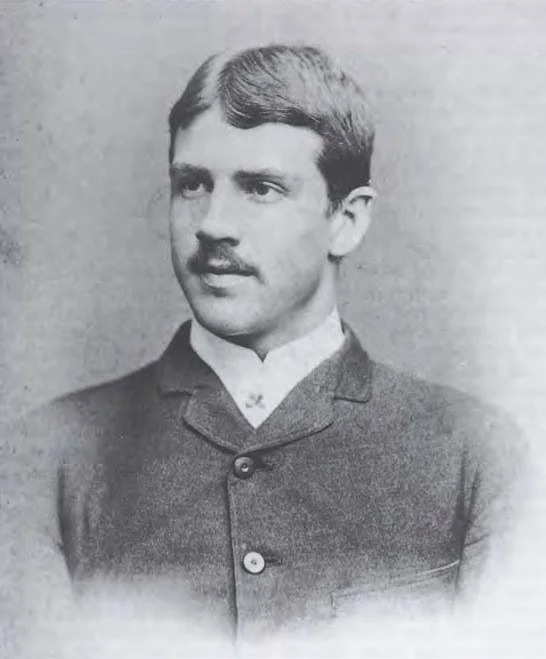
Lucius Pond Ordway Sr. as a young man back in Rhode Island.
If you care to read up on the mining investments of Lincoln’s Boston financiers and their intertwining with the Rothschild Family’s non-ferrous metals concerns, please do so here. Suffice it to say now that the Ordway family were well connected to parlay the Rothschild;s WWI-era European bond offerings into Midwestern minerals-derived cash. Lou Ordway Jr. could bring that magic ‘access to wealthy individuals’ into the service of Thomas Lamont and J. P. Morgan through the William W. Eastman Co of Minneapolis and Duluth, MN.
Readers can probably surmise my opinion about the necessity of WWI, so I don’t want to dwell on that. Let’s instead look at how Lou Ordway Jr. spent his ill-gotten gains. We have a fabulous resource in the work of Palm Beach, FL historian Augustus Mayhew who was given access to the photograph collection of Lou Ordway Jr’s wife Ellen. This collection documents everyone with whom she and Lou hung out on their world travels and retirement in Palm Beach from 1931-64. (Palm Beach is home to Ziegfeld set Mar-A-Lago, by the way!)
Mr. Mayhew produced a fifteen part series of articles for the New York Social Diary chronicling Helen’s social life. Here’s how he describes his work:
I perused the more than 3,000 images Ellen Frazer [soon Ordway] compiled in a six-volume set recording her life from 1931 until Spring 1935, beginning with the family’s top-of-the-world year abroad and ending at Palm Beach following the divorce that ended her fourteen year marriage to Persifor Frazer III. A prolific photographer, [Helen] Frazer utilized small-format roll film to capture the everyday events of her family and friends as well as kept a record of her friends’ milestones when they made headlines in newspapers and magazines.
I would have liked to reproduce some of these photographs here, but Mr. Mayhew doesn’t have reproduction rights to them and was only given permission by the family to reproduce them one time. Since Mayhew’s publication, the whereabouts of the photographs is unknown. Have a look at them before they disappear, my concern today is with part XIV of the series titled “Part XIV: The Social Pyramid, 1951-1958”. Please refer to that link for the images which I am going to write about below. If you enter the description in quotation marks into your ‘find’ function, you’ll be lead to the image.
After Feb 7, 1952:
1) “Oriental Hotel, Bangkok, and the scene from our hotel window.”
2) “Bangkok. The elusive James H. W. Thompson, the “Thai silk king,” whose mysterious disappearance in 1967 caused endless speculation. A former OSS and CIA operative, Thompson is the subject of William Warren’s book Jim Thompson: The Unsolved Mystery.”
During their stopover in Thailand, Lou Ordway Jr. just happened to meet the CIA’s most notorious agent in the region, James “Jim” H. W. Thompson. I say CIA agent with confidence because Thompson was working on developing Thailand economically to “combat” Chinese communism at the same time that the Angleton family were working with the Sicilian Mob and Nelson Rockefeller to develop Italian supermarket chains for the same reason.
Thompson is infamous because he disappeared on March 26, 1967 in a Malaysian forest that was hot with Chinese guerrilla activity— he was probably meeting contacts there. Thompson was a communist sympathizer who got into the CIA early as an OSS agent much like his fellow traveler Bill Colby. The links with Colby deepen because Thompson wasn’t declared dead until 1974 after the outing of the Castle Bank and Trust, when Colby had to engineer another CIA cash spigot in the Third World. Colby’s vehicle of choice, the Nugan Hand Bank, had Thai business partners who were very similar to those of Thompson’s export business, namely smugglers and Thai airlines. Surely participation by these partners in Nugan Hand was eased when the mystery surrounding Thompson’s death was legally laid to rest in 1974. Thompson lived at the Oriental Hotel in Bangkok which he reopened after 1945 alongside a wealthy communist revolutionary from somewhere in Central Europe named Germaine Krull. (He and the cross-dressing Krull had a catastrophic falling out almost immediately.)
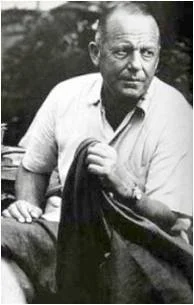
Jim Thompson was the man to know in Southeast Asia— so of course the Ordways got a slice of his time!
Thompson, known as the “Thai Silk King”, empowered Bangkok’s Muslim minority and Laotian communist community by selling the rough silks they produced according to his garish designs. Thompson hawked the cloth in NYC as well as in the other socialite centers to which he had been bred in Delaware. Thompson’s family were minders for General Ulysses S. Grant during the Civil War and then branched off into the shady business of developing railways in China. Mr. Thompson will, of course, get his own post soon. Per the Ordways 1952 visit: this was an important time in Thompson’s life as he was looking for investors to grow his/the CIA’s nascent silk business. The CIA has a sordid history of hiding their cash behind “donations” from wealthy American individuals and philanthropic organizations.
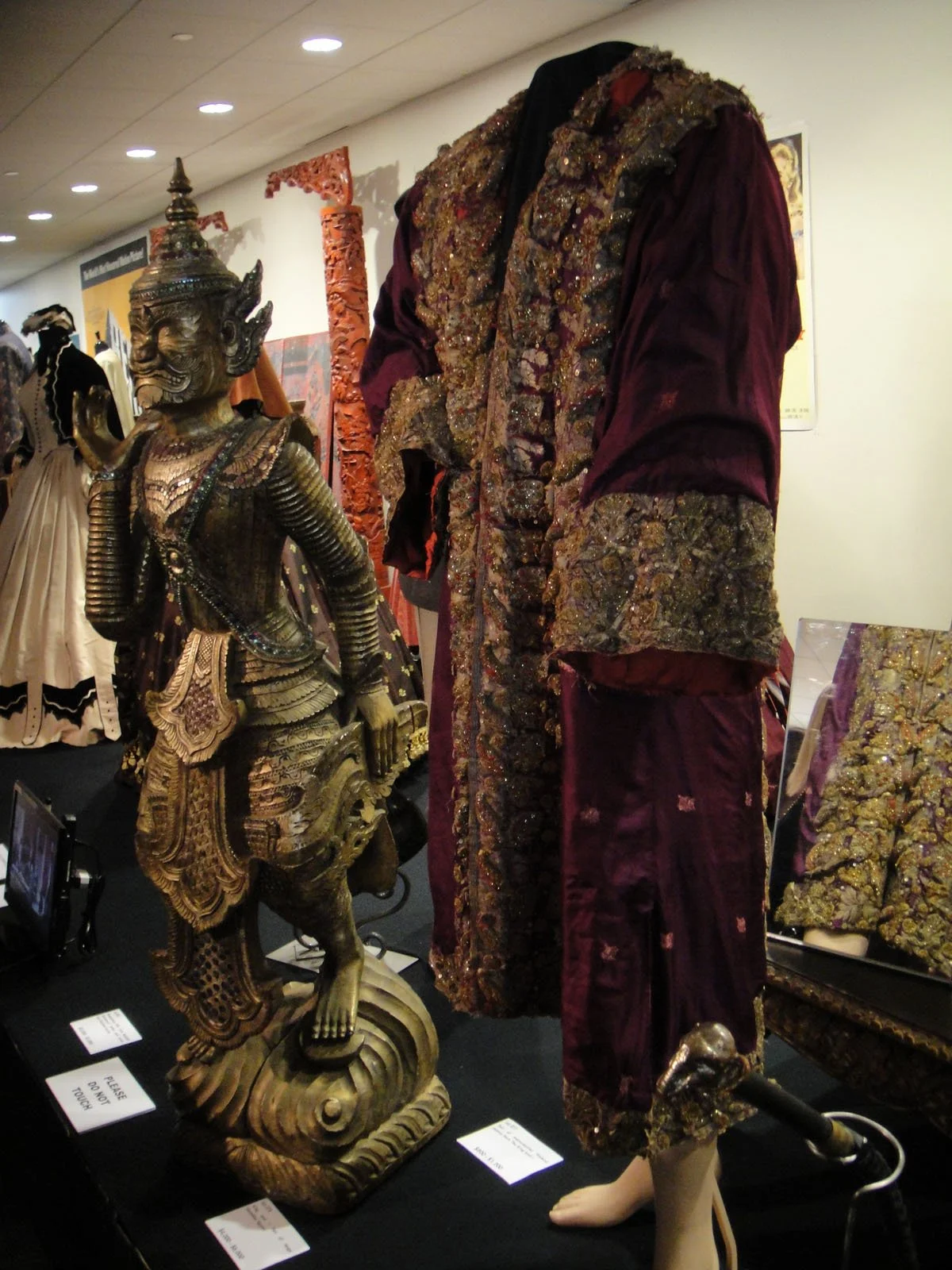
The CIA and Hollywood: Thompson’s Thai silk undertaking got invaluable advertising from the gangsters in Hollywood via the production of “The King and I” starring Yul Brenner in 1956. These costumes were designed by Irene Sharaff and Jim Thompson together. Jim loved pairing colors like chartreuse and fuchsia, which he then marketed as traditionally Thai.
The next pictures of note come from “January 1955-March 1955 Palm Beach”. They give us some idea about why the Ordways called on Thompson two years earlier: Thompson was indefatigable in his search for society magazines to push his Bangkok wares.
1) ““Socialites are also athletes” reads the caption beneath this picture taken at a bowling alley in West Palm Beach. Left to right, a barefoot Dolores von Furstenberg, Gloria Guinness’ daughter from a second marriage, Charles Munn, Alfredo Cernados, Mrs. Cernados, Dorothy Spreckels Munn, and Gloria Guinness. In October 1955, Dolores married her stepbrother Patrick Guinness, becoming her mother’s daughter-in-law. A familiar figure in the pages of Vogue and Harper’s Bazaar, Dolores von Furstenberg Guinness was named to the International Best Dressed list during the 1950s and 1960s.”
Dolores von Furstenberg was a clothes-horse and daughter of brewing heiress Gloria Guinness. Gloria was on the lookout for poor European titles to marry into because her brewing-trade ancestry— a double-whammy of classlessness— made her parvenu in the United Kingdom. Dolores was the product of Gloria’s second match to that end. Dolores could get clothes photographed for fashion magazines and would therefore have been useful to men like Thompson.
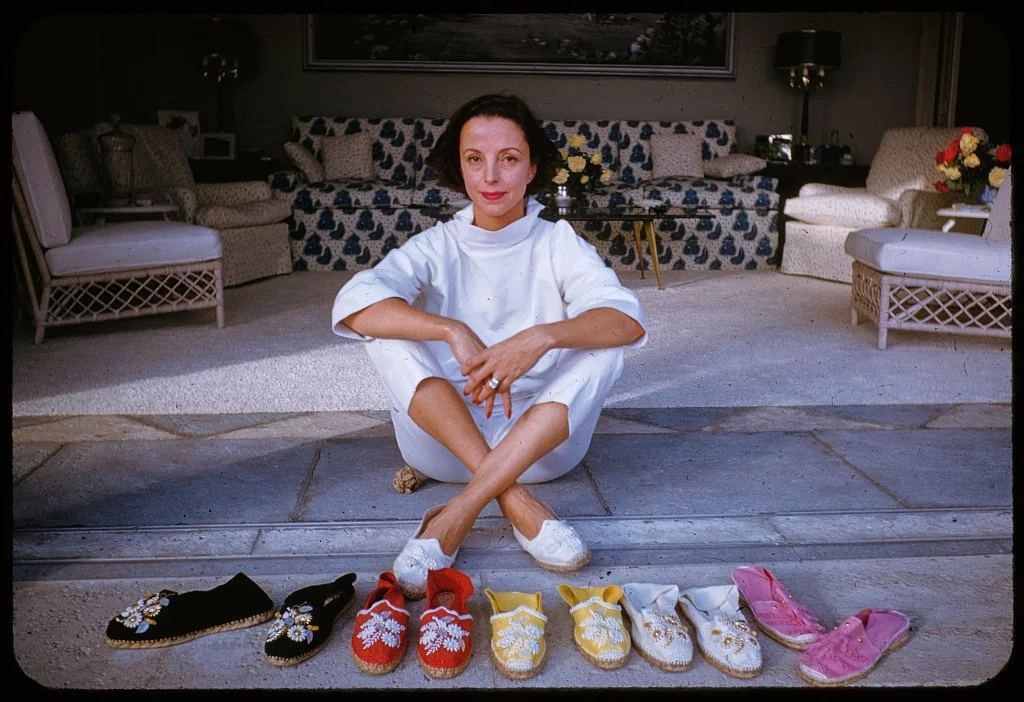
Gloria Guinness photographed in Palm Beach FL, doing her life’s work. Those shoes could easily have been Thompson creations.
Library of Congress, Toni Frissell Collection: “Client: Sports Illustrated. Sports Illustrated Job Number: x2193. Sports Illustrated Assignment Information: Sporting Look: La Coquille, Palm Beach, Florida, Mrs. Guinness of Palm Beach. Container Notes: 1954, December Gloria Guinness (Mrs. Loel) Shoes, (5 choice slides).”
2) “Palm Beach. Lester Armour, Ellen Ordway, Rostislav “Rosti” Alexandrovich Romanov Jr. with a school friend, Aleka Armour, and Lou Ordway. As you probably know, Rosti is a great-grandson of Tsar Alexander III, what with his grandparents being Grand Duke Alexander Mikhailovich and Grand Duchess Xenia Alexandrovna of Russia.”
This photograph stunned me. “Aleka Armour” is the ex-wife of Tsar Nicolas II’s nephew. (The guy from the repudiated Russian bonds!) Her real name was Alexandra Pavlovna Galitzine and she married the Tsar’s nephew while working at the Marshall Field’s department store in Chicago. That’s the story anyway. The pair had one child, “Rostislav “Rosti” Alexandrovich Romanov Jr.” before divorcing. Aleka then married Beef Trust heir Lester Armour, grandson to Armour meats founder Philip Danforth Armour. Marshall Field, Philip Danforth Armour and George Pullman together were the “Trinity of Chicago Business”. Imagine going from a prince to a godhead. Anyway, Lou spent the Spring of 1955 sunning himself with another parasite on the corpse of the Russian Imperial Dynasty.
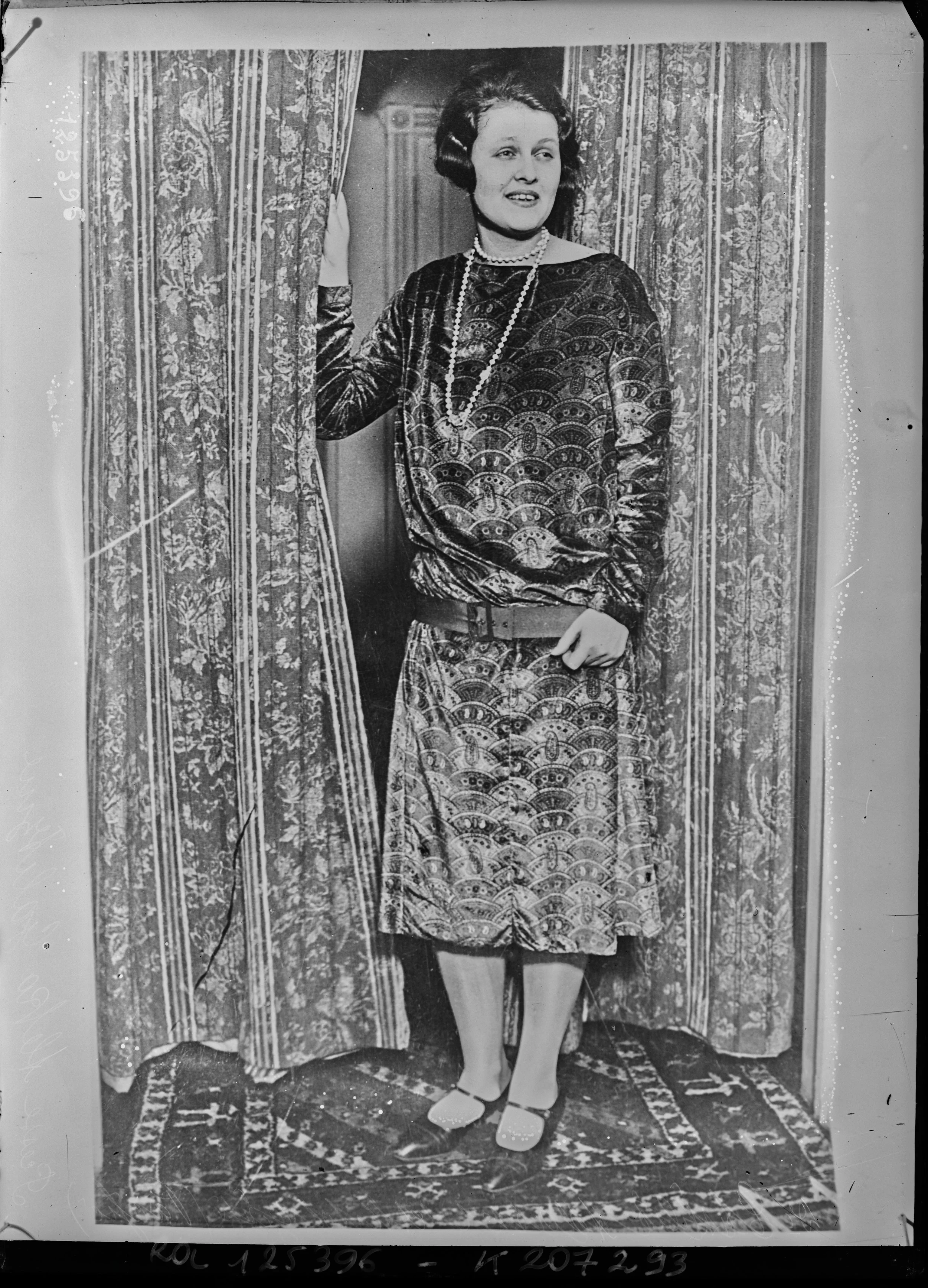
Galitzine in 1927.
At this point we have come full circle, tracing Chester’s bonds from their genesis to their poisoned fruit in Palm Beach, FL. I hope I’ve given readers more insight into how the reigns of power run through Chicago, as well as additional context for those old characters unfortunate enough to have drawn my attention.