Mar-A-Lago
What do James Angleton, Melvin Purvis II, J. Edgar Hoover, Franklin D. Roosevelt, Thomas Dewey and Meyer Lansky all have in common? A connection to our sitting president’s palatial Floridian estate, Mar-A-Lago.
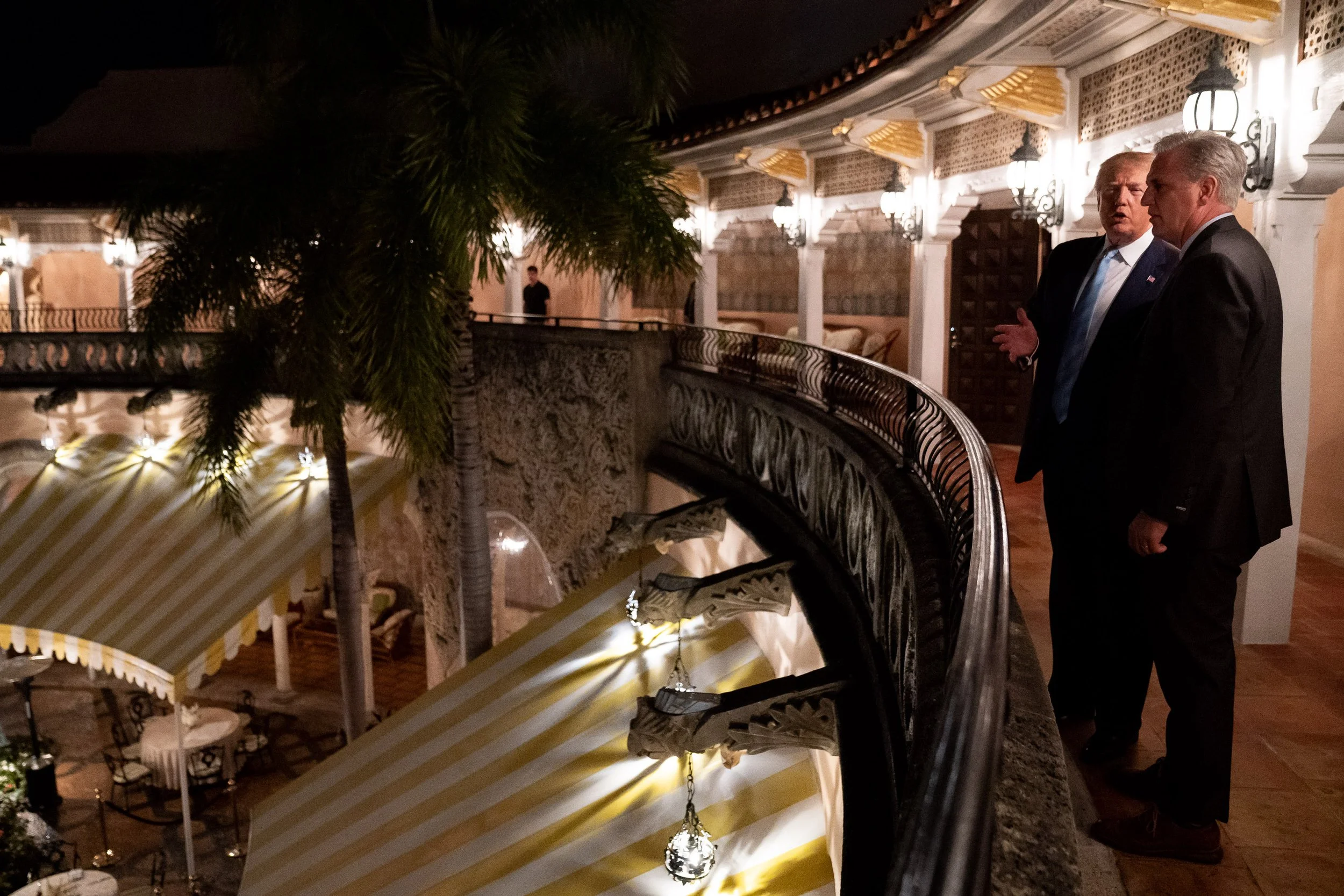
President Trump and Kevin McCarthy at Marjorie Merriweather Post’s Xanadu.
This isn’t a post beating up on President Trump, who is in fact simply the custodian of a monumental expression of ego which predates him by two decades. Mar-A-Lago was built by Marjorie Merriweather Post with the guidance of Florence Ziegfeld Jr’s Austro-Hungarian set designer Joseph Urban. I wrote about Urban previously in my post Otto Kahn as an Austrian Intelligence Agent: Kahn installed Urban as set designer for the Metropolitan Opera after Kahn’s colonization of that institution. See also, “Opera Spies!”.
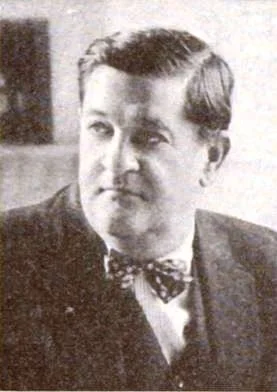
Joseph Urban was brought to American theater by Austrian agent and ONI controller Otto Kahn.
Post and her then-husband Edward F. Hutton (#2) were very close to Ziegfeld and his wife Billie Burke, who would act as a some-time nanny to Post’s daughter Dina Hutton at Mar-A-Lago. In fact, the shady Ziegfeld entered Post’s life at the same time as her new stock-jobber husband, for whom she designed the “beach cottage”.
Hutton and Ziegfeld were on the make in NYC and NYC was a dangerous place in the 1920s. I remind readers about what happened to Ziegfelds’ girlie show competitors at the Broadway Rose Garden. Wall Street had a seamy side that was no less cut-throat. This mercenary streak dominated both men’s love life, too. While Ziegfeld would pimp his ‘wives’ for money, Ed Hutton and his brother Franklyn were the USA’s most notorious fortune-hunters. Unfortunately for Marjorie, Edward appealed to her addiction-to-drama.
This self-destructive streak in the heiress probably stemmed from her brilliant if mercurial father. Charles William Post was a bipolar inventor with a penchant for religious and healthcare manias— not unlike the family of another transplant from New England to the American Midwest, Monroe WI’s own Almira Humes. For C.W., however, the poison wasn’t Thompsonian Medicine and Universalism, but rather Kellogg health diets and Christian Science.
Beyond religious manias, C.W. had money-making manias. He would work manically inventing and promoting his inventions— often with success— but then scupper the endeavor with prolonged periods of nervous breakdown and debilitating stomach complaints. This left his family constantly strapped for cash until C.W. figured out how to capitalize on the breakfast cereal trend which the equally odd Kellogg family had made famous. I don’t want to sugar coat C.W.: he was a combination of cult leader and snake-oil salesman, but the best con-men believe in their own hustle, at least until it doesn’t serve them anymore.
C.W. and Marjorie
Once wealthy, C.W.’s mania had no limits. Fantasy and Reality were intermingled in his visionary pursuits. Estranged from his wife, he lavished every attention on his only child Marjorie except schooling. She grew up somewhat introverted and not understanding social etiquette. C.W. had wanted a boy and tried to refashion his daughter in a masculine image by bringing her with him to boardroom meetings and sneaking her into prize fights. Marjorie was, in a way, “parentified”: she was the center of his world until C.W. suddenly took up with his young secretary at work. C.W. didn’t abandon Marjorie, but her sudden demotion was traumatic. Further disruptions came as C.W.’s love child(ren) came to light.
Marjorie never disentangled herself from her father’s drama. Even when she married the sensible and socially superior Edward Bennett Close in 1905. Marjorie was over-reliant on C.W.’s opinions and completely tuned into his vacillating needs… and then in 1914 C.W. shot himself after appendix surgery. C.W. was in his sixties; Marjorie was about 30 and rudderless. She was a bundle of trauma awaiting exploitation and that exploitation started in earnest.
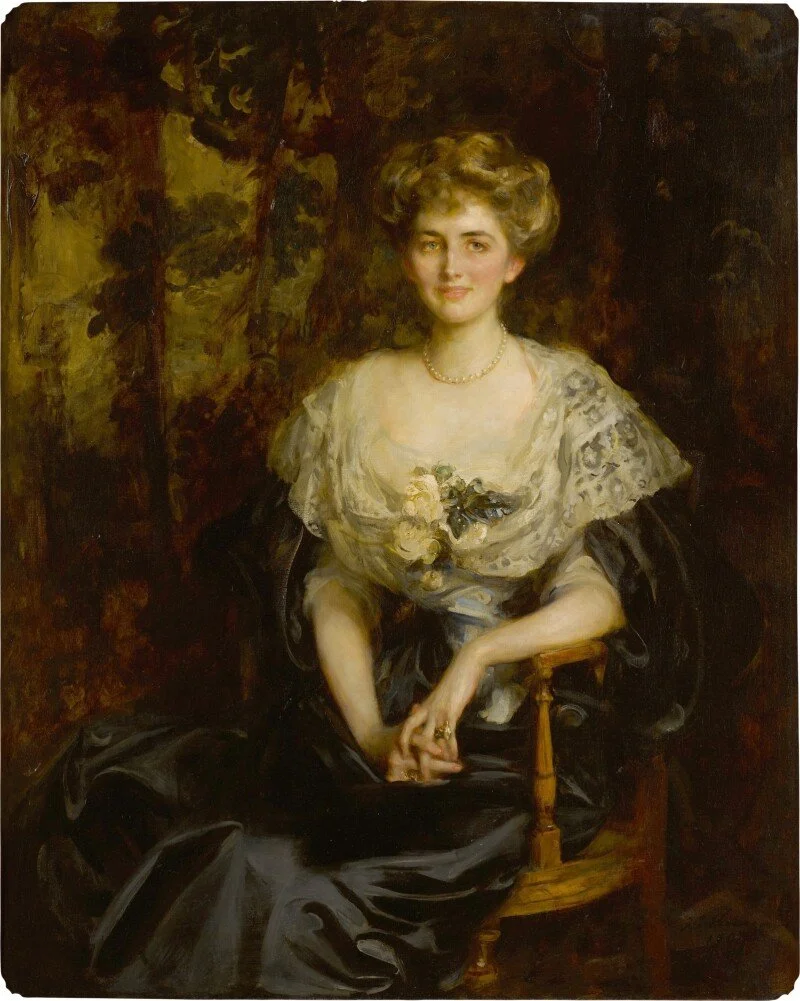
Marjorie Merriweather Post, the rough-hewn Midwestern breakfast cereal heiress, at the time of her marriage to her first husband, Edward Bennett Close. This marriage had her adored father’s approval, but failed to extract Marjorie from daddy’s all-consuming influence.
Close was an investment banker from a legit upper-crust family in Greenwich, CT. Close tried to teach his parvenu wife some well-bred economy but, like her father, Marjorie had an unstable and striving streak. The pair divorced while Close was serving in France during WWI. Marjorie never really got over Close, and hounded his new wife with intrusive advice and presents for the rest of his life.
With Close away fighting and diplomating in Europe, Edward F. Hutton entered Marjorie’s life. She divorced Close in 1919 and married Ed within a year.
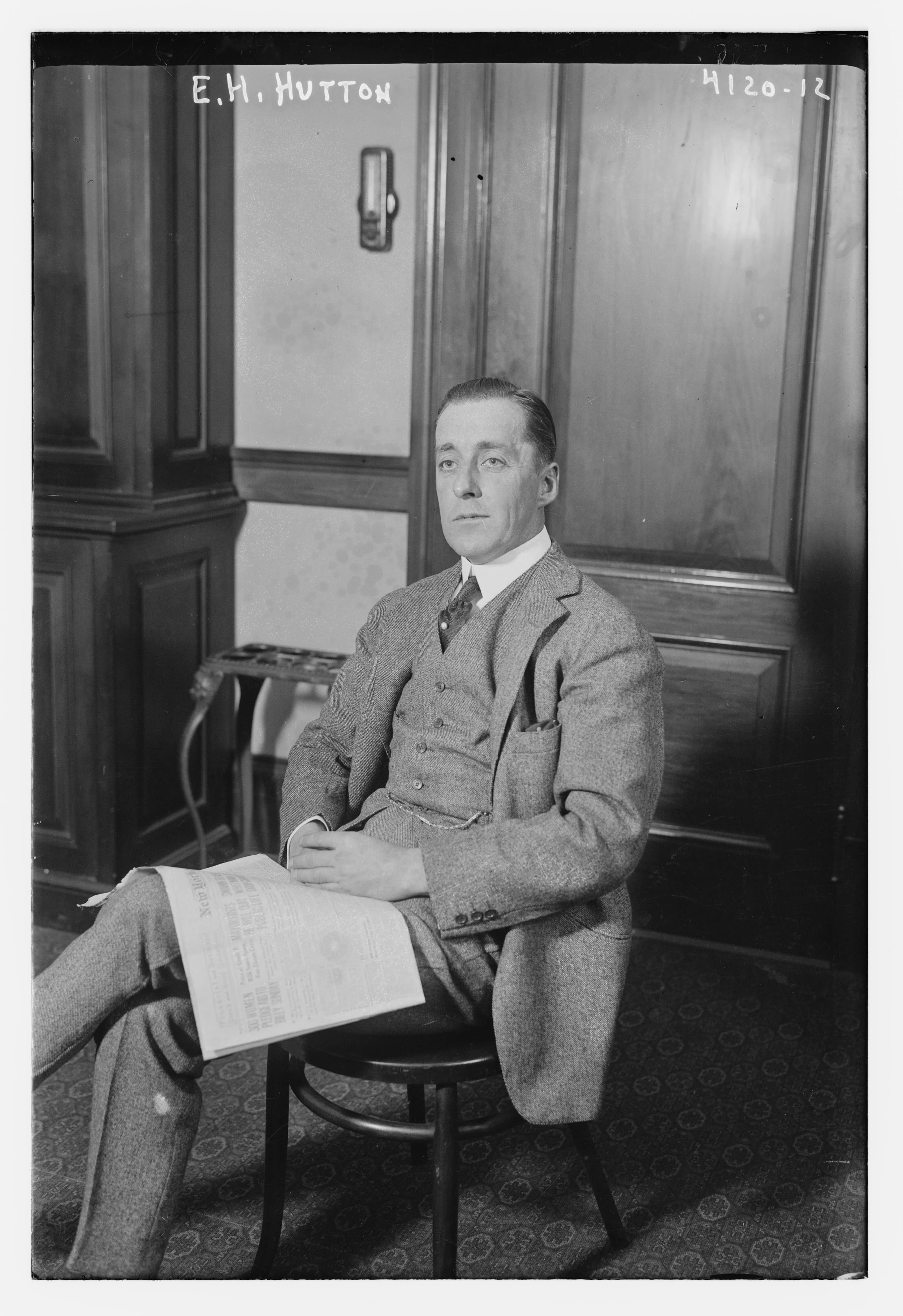
Edward F. Hutton (the photo’s inscribed incorrectly) was Marjorie’s second husband. You may not know it from his stoic gaze, but Hutton was a “Gastbyesque” bundle of muscles and sex appeal. As one of those dubious rags-to-riches stories, Hutton made a name for himself trading stocks on Wall Street and partying with Hollywood-adjacent sex show entrepreneurs. To Marjorie’s sheltered and hyperactive mind, Hutton embodied some of daddy’s zest, though daddy was a tee-totaling Christian Scientist and Hutton…. wasn’t.
Marjorie’s money and investments helped propel Hutton to further riches and something like social acceptance. To be fair, Hutton was a good manager of her estate. He consolidated her food stuff companies under the umbrella of General Foods: Jell-O, Walter Baker & Company, Hellmann's and Maxwell House coffee to name a few. Her fortune ballooned. But at what cost?
When Ziegfeld went bankrupt and croaked in 1932, Marjorie Post is alleged to have underwritten Billie Burke’s lifestyle. I remind readers that Flo Ziegfeld’s brother, principal of the Ziegfeld Cinema Corporation, was The Free World’s cinematographer to Soviet Russia in the 1920s— a job he couldn’t do without Moscow’s blessing. In the 1920s and 30s it was hard to disentangle the Galician Gang from Soviet leadership. Marjorie would be sucked further and further into this underworld.
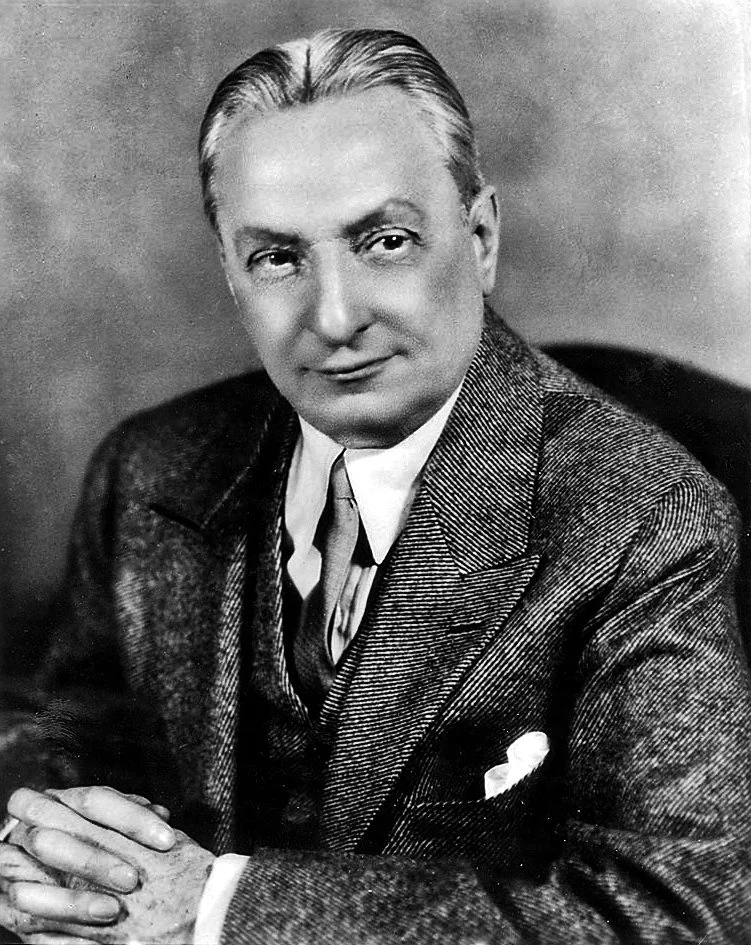
Flo Ziegfeld Jr. in 1932, about the time his NYC sex show “The Ziegfeld Follies” went belly up. Read about the nude pictures of his employees he stashed with photographer Alfred Cheney Johnston.
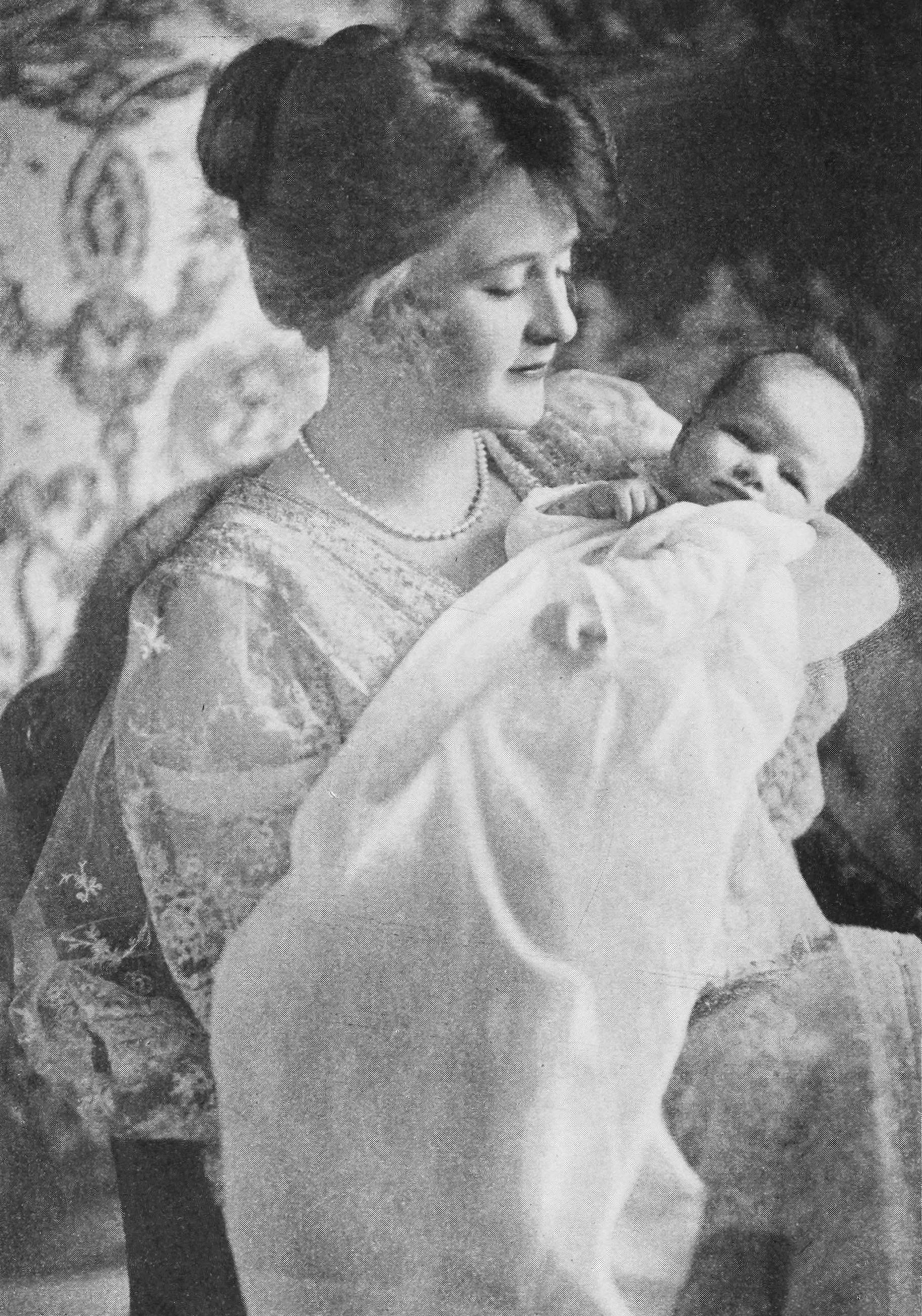
Showgirl Billie Burke with her infant daughter by Ziegfeld. Once the money trouble hit, Burke could play an endless “Glinda the Good Witch” role for her patron Post’s spoiled youngest daughter, Dina Hutton. Burke is pictured in very “Lucy Duff Gordon” lace.
Mar-A-Lago was the first folly of Majorie Post’s new life among what biographer William Wright characterizes as “Cafe Society”. (Austria-Hungary, the Galician Gang’s incubator, had it’s Coffee House culture too, as Ziegfeld well knew.) Mar-A-Lago is a sprawling, some might say schizophrenic, undertaking which marries a dizzying array of architectural influences and spreads itself between the Atlantic Ocean and Lake Worth. A lot of the architecture is “Spanish Revival/Moorish”— the type of thing popular with movie theaters in the 1920s/30s just like Monroe, WI’s Goetz Theater. This characteristic was not lost on contemporary observers, per Wright, p 88/96:
Marjorie engaged a young local architect, Marion Sims Wyeth, to assist Urban with the more technical aspects of the mansion’s design. … Later, when Mar-A-Lago was considered by many to be a monstrosity, Wyeth claimed responsibility for the kitchen wing only.
Construction began in 1923. Over the next four years, as the building and grounds took shape, Palm Beach was agog at the part Spanish, part Moorish, part Arabian Nights fantasy that was being fashioned from three shiploads of Italian stone and that rose from the beach up to a sandcastle tower seventy-five feet tall. Marjorie was on her way to having her own permanent Ziegfeld Follies set…
The whole effect is very much like one of the movie palaces of the twenties that Urban and other romantics designed and that were, in turn, probably trying to resemble a fantastic private palace like Mar-A-Lago.
I remind readers that Islamic sex slavery was a preoccupation of the Early Cinema crowd, and their precursors among Europe’s absolutists, who turned a blind eye as the Islamic world swallowed European slaves by the tens of thousands. Doris Duke, the queen of “little white slavers”, also had a penchant for this harem imagery. Ziegfeld’s father, Florence Ziegfeld, had connections with German Europe’s intelligence elite in Berlin and Vienna, and was probably a confederate of Galician Gang human traffickers himself. He was certainly a tool of Chicago’s arch-madame, the Kentucky Colony’s fairy princess Bertha Palmer. (Remember the Moorish Rooms and Mosque at the Everleigh Club, scene of Bertha’s Dionysus orgy?) Flo Ziegfeld’s curious collection of naked pictures of his showgirls, hidden for forty years after his death, suggests he wasn’t a stranger to the girl-trade either.
Here are some images of Mar-A-Lago from the time M. M. Post owned it.

“Baby’s Bedroom”

“Entrance to Loggia”

“Wrought Iron Grille of Main Entrance Door”

“Detail of Armorial Motif over Door to Cloister” Whose armorial crest? Note the tasteful flower wallpaper.
If you’re into the whole “Mar-A-Lago” vibe, I suggest a visit to another Midwestern marvel, Havencrest Castle in Savanna, IL.
Mar-A-Lago itself makes sense in the context of over-compensation. Fortune-hunters cheat. Hutton’s philandering got so bad that eventually Post dropped him like yesterday’s garbage. Unfortunately for Post, America, the World, and the US “intelligence community”, her next husband was even worse.
Joseph Edward Davis was a lawyer from Watertown, WI and the chairman of the Democratic Party of Wisconsin from 1907. He served in Woodrow Wilson’s administration as the chairman of the Federal Trade Commission (1915-16) and became a good friend of Assistant Secretary of the Navy, Franklin Delano Roosevelt. This friendship took root over the period that the ONI was being staffed by an “odd assortment of cable censors, detectives, safe crackers, informants, and wealthy society figures” who were happy to break the law for Otto Kahn’s investment firm Kuhn, Loeb & Co. and sell Meyer Lansky’s drugs out of NYC harbors. [See Jeffery M. Dorwart’s history of the ONI.] The Navy also got into the porn business under Josephus Daniels and FDR.
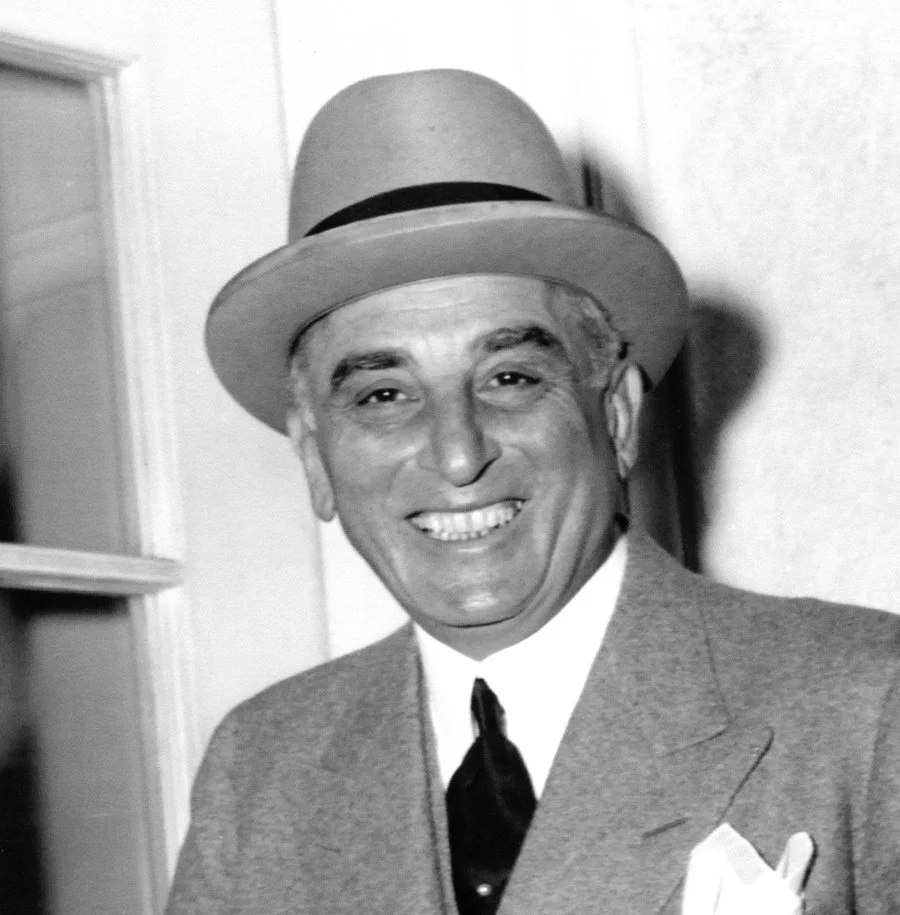
Joseph E. Davis, the Stalin apologist, Democratic politician and husband #3.
Wisconsin, and even more so its neighbor Minnesota, became a Galician Gang stronghold after the 1890s mostly because of immigration patterns and the tantalizing third-party potentialities of the Progressive Movement. (Organized crime is, after all, about exploiting people.)
The Italian mob didn’t figure strongly in the Twin Cities, but partnerships between the Italians and the Galicians were a defining feature of Midwestern organized crime. Much of our population has Austro-Hungarian roots and the Italian/Galician mobs represented the fluctuating West/East borders of Austria Hungary, which by 1900 was a decrepit plutocracy.
Davis married Post in 1935, just eight months before FDR appointed Davis to be the ambassador to the Soviet Union. (Where Will Ziegfeld was filming Eugene Debs growing cucumbers.) Davis would replace the emotionally unstable William Bullitt in Moscow. (Bullitt was a patient of and co-author with Sigmund Freud, and an inspiration for Mikhail Bulgakov’s Master and Margarita, a Moscow-suppressed book lampooning Soviet corruption.) Davis would report back in glowing terms on the wonders of the new Soviet administration from the comfort of Post’s yacht, Sea Cloud, which was a sort of floating Mar-A-Lago.

M. M. Post’s “Sea Cloud” was built for her in Germany and originally named “Hussar V”. It was, of course, obscenely opulent and the only way to do Moscow in 1936.
With Marjorie’s first marriage there was probably some love; with her second there was a least sex appeal; but her third, to Davis, couldn’t even boast that. The official story is that Marjorie bought Davis from his current wife having met him on a transatlantic crossing. Price tag $2 million. This transaction gave Marjorie entry into Washington D.C. society (Davis had the ear of FDR) and it gave the Davises prestige of wealth. Davis had his eye on the presidency. Although this story is repeated by Post’s official biographer William Wright, I don’t believe it.
The timing is important here readers, because FDR was well versed on using gigolos to manipulate wealthy women for political ends. Author Roald Dahl, a frequent house guest of Franklin D. Roosevelt and lonely Eleanor, was used to manipulate Claire Booth Luce (among others) in just this way: Dahl’s twenty-something body ensured Luce’s compliance with the British war effort. (Claire was the one-time secretary of Rothschild agent August Belmont’s son’s wife, Alva Vanderbilt. Mrs. Belmont helped arranged Claire’s wealthy match.) It’s hard to see what about Davis appealed to Post, but he certainly had the zealotry of her father: albeit a gimmicky political zealotry, instead of gimmicky health-nut zealotry.
Marjorie Merriweather Post was not a political person. She followed her father’s laisse faire capitalism and was politically disengaged for her first forty years. It’s all the more creepy then that with Davis’s entry into her life came a faddish cheer-leading for Stalin pasted over her gaudy Ziegfeld lifestyle. This skill for holding two contradictory positions at once (or dissociating from the conflict) characterized much of Cafe Society, including the lovely young Cecily D’Autremont, future wife of CIA heavyweight James Jesus Angleton and offspring of the politically powerful Congdon mining family in Duluth, MN. (You could argue that cocktail socialism a la FDR or Davis is not contradictory if one’s primary motivation is to protect the Galician Gang.) More on that Angleton pair in a minute.
While cheering Stalin, Davis and Post surrounded themselves with the trappings of the Tsarist lifestyle. (Not unlike Ferdinand Rothschild’s family penchant for the treasures of Versailles.) Post spent the money Hutton made on mountains of jewelry and artworks looted from the Tsar’s palaces, thereby supplying the Soviets with essential “foreign currency” during FDR’s “Lend Lease” debacle. Hermann Goering had nothing on Marjorie and Joe.
Post and Davis bought a cornucopia of looted treasures from Russia— from Faberge eggs to icons— which supported Stalin’s bankrupt government in the wake of the Holodomor.
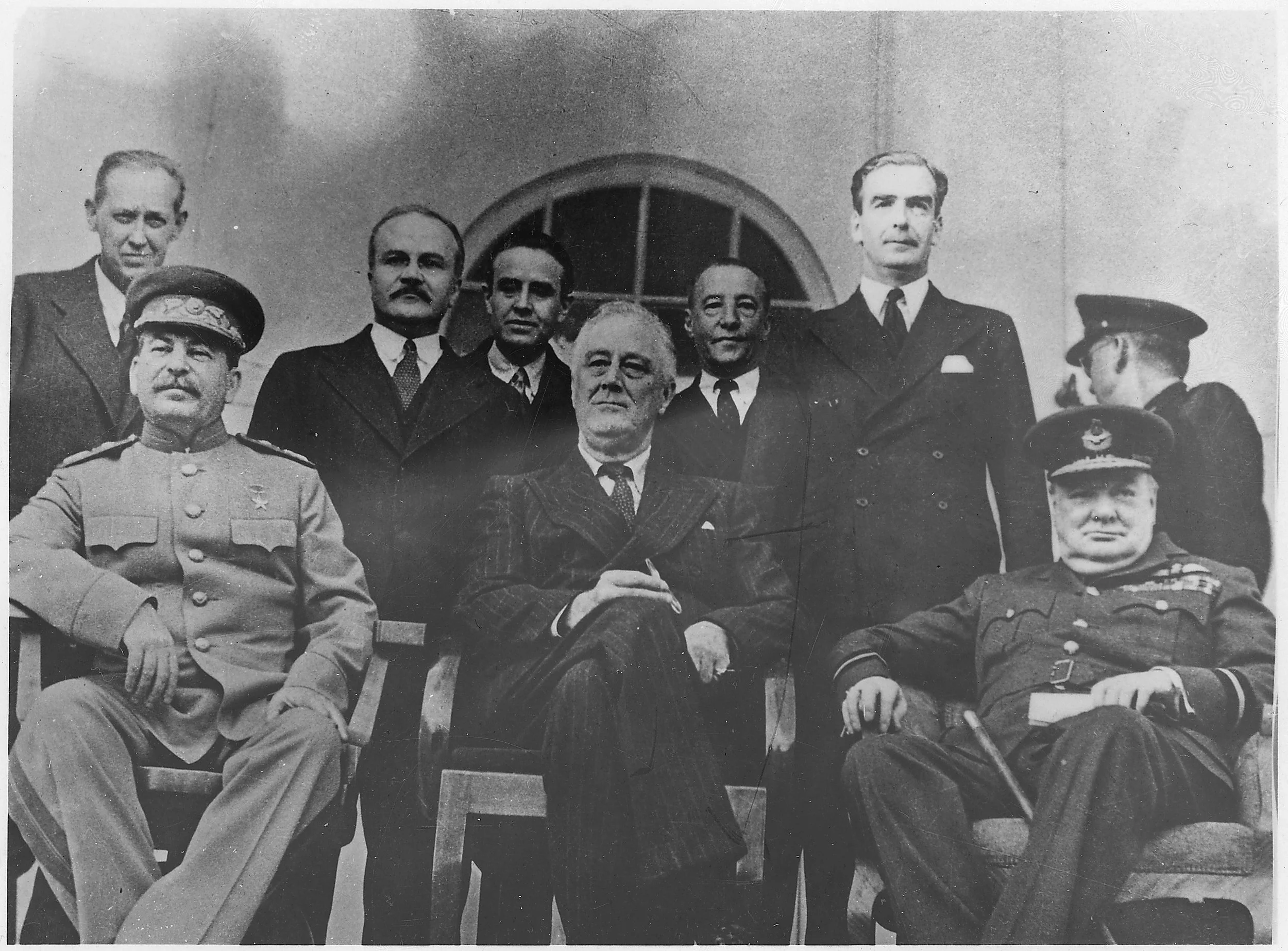
The Good Guys: Stalin, FDR and Churchill in Tehran in 1943.
In propaganizing for Stalin, Davis continued the work of Bullitt’s journalistic side-kick Lincoln Steffens and his Austro-Hungarian-derived wife Ella Winter (born Eleanora Sophie Wertheimer and a Christian like Flo Ziegfeld), who was FDR crony Felix Frankfurter’s secretary before marrying Steffens. Pundits like Winter and Steffens were all for socialism, unless those socialists criticized the Galician Gang and its political machine in Minneapolis, as Walter Liggett discovered. Again, where do the Soviets stop and the Galician Gang begin?
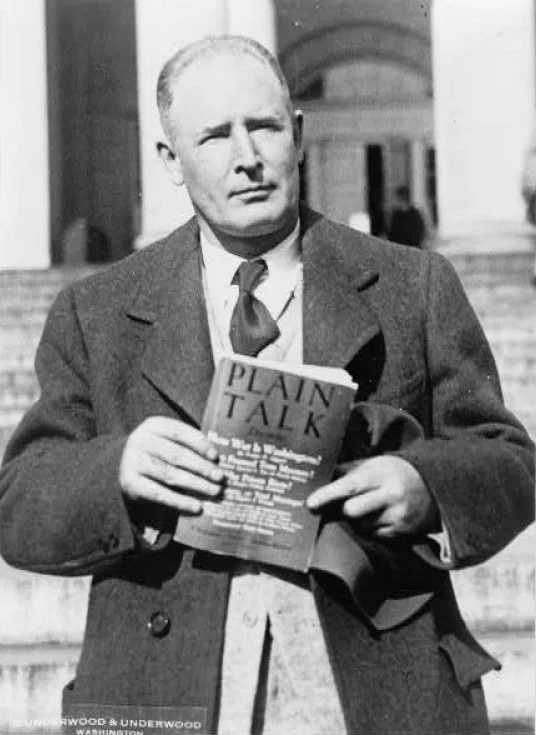
Minnesota native Walter W. Liggett
Davis, Winter and Steffens weren’t the only guards at the Galican Gang’s back door to Russia. Liggett was a Soviet public relations functionary before Herbert Hoover exposed that Liggett’s Washington D.C. employer was Ludwig Martens, Lenin’s arms manufacturing guru. No longer useful out East, Liggett returned to Minnesota to find the Farmer Labor Party, which he had helped Charles Lindbergh Sr. build from scratch many years before, had been colonized by the Galician Gang and their fellow travelers in the Republican and Democratic Parties. (Mostly Democratic.) Liggett saw that the bossism system had caused America’s only viable third party to be stillborn. Enraged, and supported by Governor Olson’s Republican enemies, Liggett exposed Farmer Labor’s Galician Gang connections and Communist Party corruption in his influential newspaper, the Midwest American.
When he attacked the Galician Gang, all Liggett’s East Cost communist friends left him. Previously on close terms with the boards of The Nation magazine (a well-heeled Lincoln holdover) and the ACLU, these organizations actively turned against him when Liggett spoke up against Jewish organized crime. Even when the MN mobsters made open death threats against Liggett, the ACLU refused to act. Eventually Kid Cann did shoot Liggett in front of his wife and daughter, after which the Communist press in NYC began a libel campaign against Mrs. Liggett. Thanks to the patronage of Thomas Dewey, as in Meyer Lansky and the CIA, Mrs. Liggett was successful in her 1936 libel lawsuits against the Communist press in New York state.
Both The Nation and the ACLU succored another famous CIA family, the Colbys, who owe their prestige to Minneapolis Democratic Party politics and bull moose Teddy Roosevelt.
We shouldn’t be too surprised that Stalin’s mouthpieces stateside came to the defense of their Galician Gang alters. As Polish Policewoman Major Stanislawa Paleolog informed the world in The Police Women of Poland 1925-1939, the invading Soviets meted out special retribution to policewomen who saved children from the Galician Gang’s grasp, p 133:
The Chief of the [Women’s Police] Brigade J.J. ought not to have stayed in Wilno, since all the souteneurs [Galician Gang groomers] and criminals of that type knew well to whom they owed their failure and who put an end to their careers; but, as I have said already, she was a big-hearted woman and stayed on for the sake of her old mother, and during the first days [of the Bolshevik occupation] these same souteneurs from Sofian [a district of Wilno], because she lived near this “den,” betrayed her to their “friends.” You may comfort yourself with the thought that not one policewoman went over to the Communists.
The gangland/Soviet synergy Paleolog described would have a tremendous effect on the career of James Jesus Angleton, whose raison d’etre at the CIA’s Israeli desk was to use the “Jewish Underground” emigres to spy on Russia (like he used them in Italy during WWII). Russian immigration to Israel was always uncomfortably tied up with smuggling and arms dealing.
When Cann shot Liggett, Cann was acquitted against overwhelming evidence by a stacked Minnesota court. Hoover’s FBI had refused to help in the investigation of the murder, except with the bullet analysis which Hoover slow-walked and which arrived too late for the trial. Remember at this time, 1935, Hoover was committed to his position that organized crime didn’t exist in the USA. Local MN law enforcement was as corrupted by the Galicians as their Chicago brothers were by the Galician/Italian partnership. This brings me on to the subject of Melvin Purvis II, G-man extraordinaire.
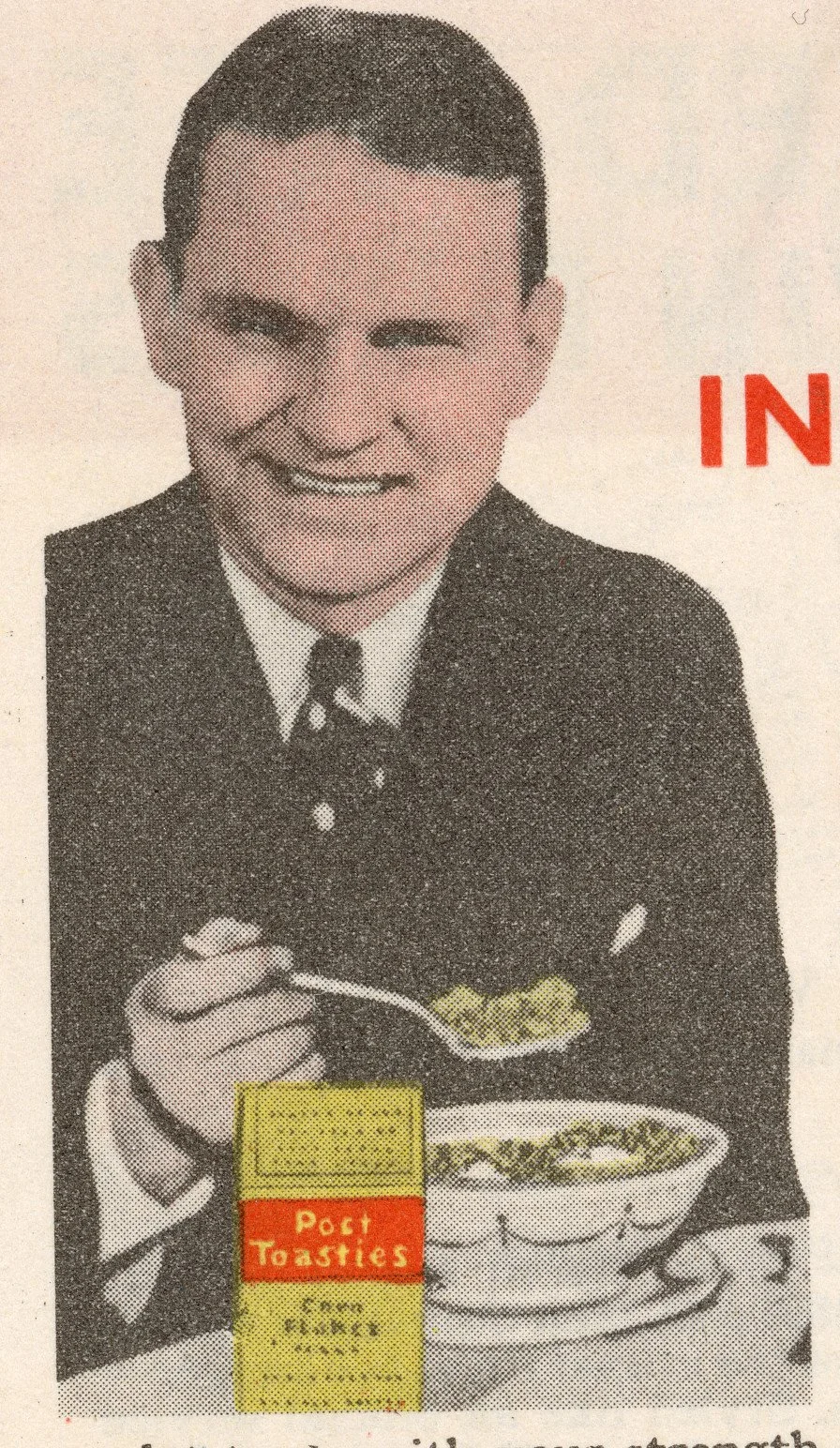
Organized Crime Always Targets Children: Melvin Purvis II plows through a bowl of Stalin’s favorite breakfast cereal.
Post and Davis weren’t just busy covering for Stalin in Europe. They were busy in the USA too, providing work for Melvin Purvis II after J. Edgar Hoover had booted him out of the FBI. Marjorie and Joe paid Purvis to advertise Post Toasties and other products while he hung out with Soviet asset (and Wisconsinite) Frederic Marsh, founder of the “Hollywood Anti-Nazi League” alongside Stalin’s agent Otto Katz. Katz, born Andre Simone, was from a rich Bohemian family in Austria-Hungary and well connected in Hollywood. It was the money from product sponsorship which allowed Purvis to live the high life back in South Carolina. How do you go from being J. Edgar Hoover’s wingman to hobnobbing among wealthy Soviet spies in Hollywood?
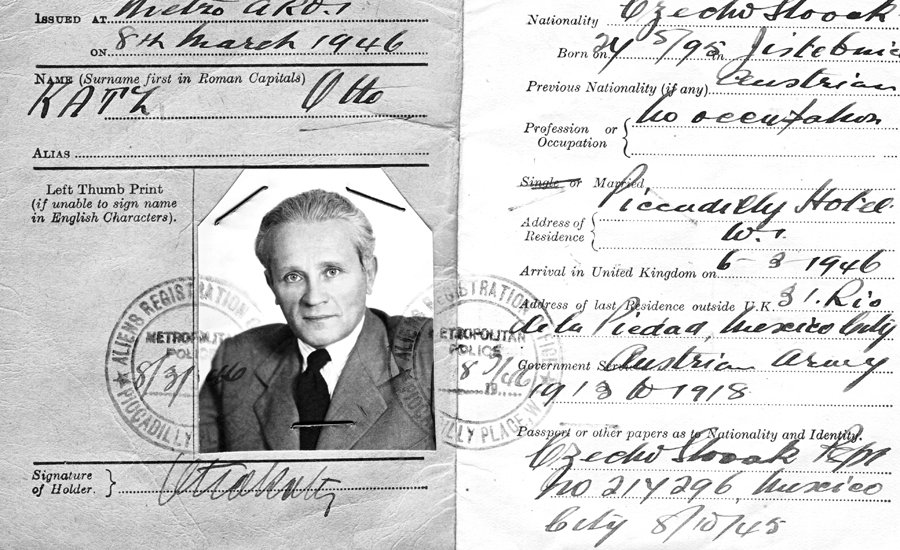
Otto Katz’s British passport.
By all rights, Melvin Purvis should never have been in the FBI to begin with. As his grandson Alston Purvis states, Melvin was “under age, under weight, under height”. However, a friend of Melvin’s father got Purvis an interview with Hoover and a letter of recommendation from FDR’s Southern ally Senator Ellison D. Smith.
Hoover himself had just been appointed head of the Bureau of Investigation as the result of a political shake-up in the wake of the Teapot Dome Scandal. The beneficiaries of the scandal, political allies of out going president Herbert Hoover, had avoided prosecution and FDR wanted someone heading the Bureau who he knew would attack his adversaries. (Also, Roosevelt family members were involved in the Teapot Dome profiteering and that had to be kept quiet.) J. Edgar Hoover, who had cut his teeth protecting Felix Frankfurter’s friends during the Palmer Raids in 1919, was the operative FDR chose. Since J. Edgar was new to the Bureau himself, he needed reliable and dependent functionaries like the slight, grateful 23 year-old from South Carolina.
J. Edgar groomed Purvis: he love-bombed the insecure young man and gave Purvis responsibilities well beyond what Purvis’ experience made reasonable. While promotions came thick and fast for Purvis, Hoover was stingy with investigative resources while FDR promised the public colossal wins against organized crime— wins against the very bossism system which got FDR elected. Young Purvis was set up for spectacular failure. It’s hard not to feel sympathy for him, at least during his stint at the FBI.
Needless to say, Purvis is known for his slip-up at Little Bohemia and gunning down Dillinger in the street which, to be fair, Purvis recognized as a failure in his autobiography. The goal of law enforcement should be to bring criminals to trial, not execute them preemptively. However, the most important part of Purvis’s career in Chicago, and the only part of his career which caught Thomas Dewey’s attention, was Purvis’s actions during the John Factor kidnapping and the wrongful conviction of Irishman Roger “The Terrible” Touhy.
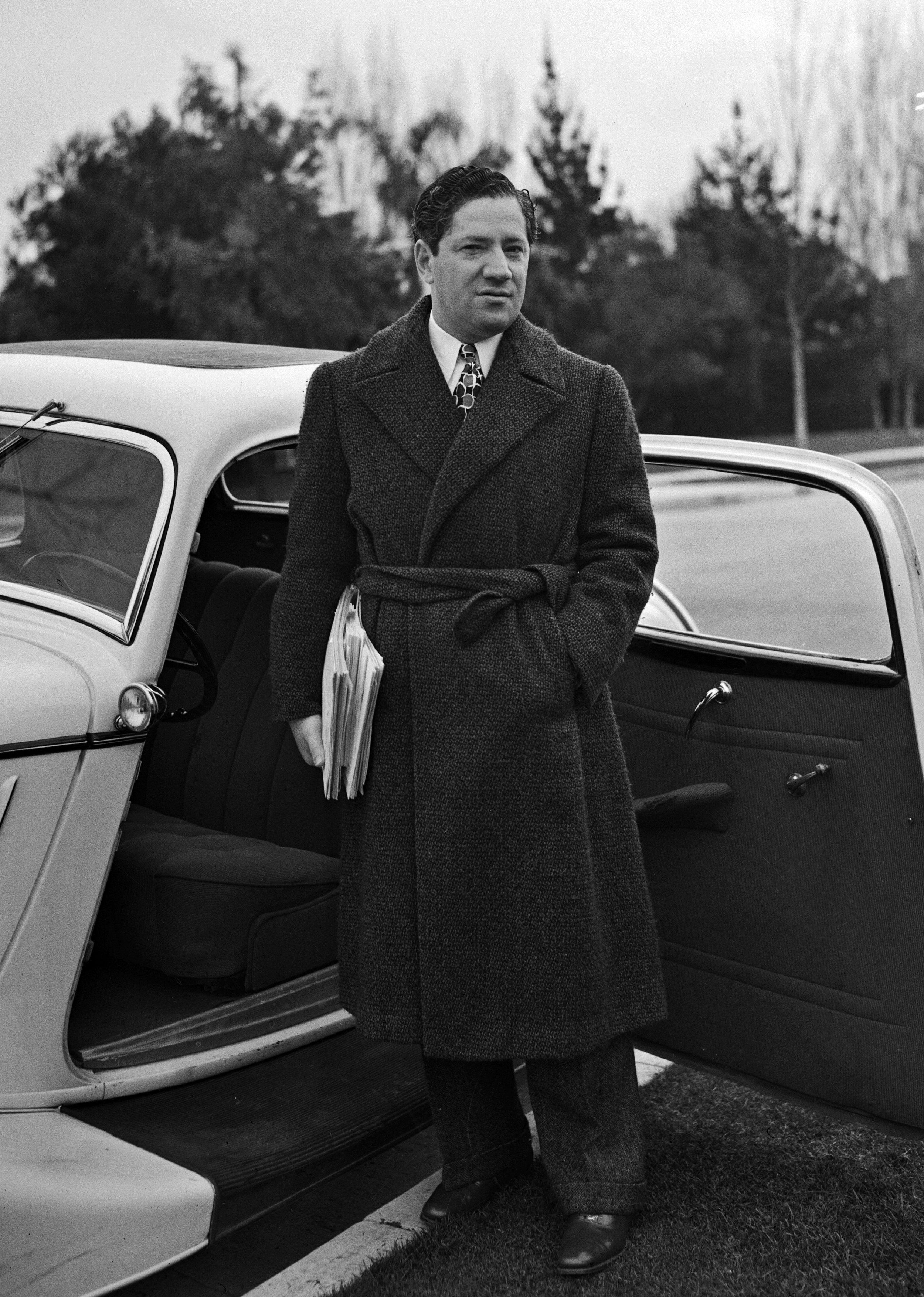
John Factor, aka “Jake the Barber” was born Iakov Faktorowicz in Congress Poland…. he was a Galician partner to Al Capone in Chicago.
You see, wiser heads told Purvis that John Factor’s kidnapping was staged. The British wanted Factor for financial crimes in the U.K.. Factor and his partner Al Capone knew that a kidnapping would take Factor out of circulation long enough for the statute of limitations to run out on his extradition. The British Embassy kindly and slowly explained Factor’s position to the 26-year-old head of the FBI’s Chicago office, but Purvis bullheadedly insisted Touhey was to blame. (More likely: J Edgar told Purvis that Touhey was to blame.) Touhey’s conviction was overturned years later, but not before the FBI had put Al Capone’s biggest competition out of business. The fact remains that through Purvis’s actions, the Galican Gang was rather obviously protected by FDR’s FBI. It wasn’t long after this debacle that Hoover kicked Purvis to the curb.
But why? Had not Purvis been doing the same thing J. Edgar Hoover did for Felix Frankfurter during the Palmer Raids? I put it to readers that Purvis had violated a ‘Chinese Wall’: Roosevelt FBI men can’t be too close to Roosevelt underworld partners, otherwise the FBI men become a political liability like Herbert Hoover’s ole buddy William J. Burns. Imagine the awkward questions which British diplomats asked FDR following the Factor incident. Faced with a fate like Burns’, J. Edgar would sacrifice his pawn in a heartbeat. When the FBI money dried up, Purvis relied on the contacts he still had left. Contacts which lead him to Hollywood, Soviet Russian agents, and FDR’s good friends the Post-Davises.
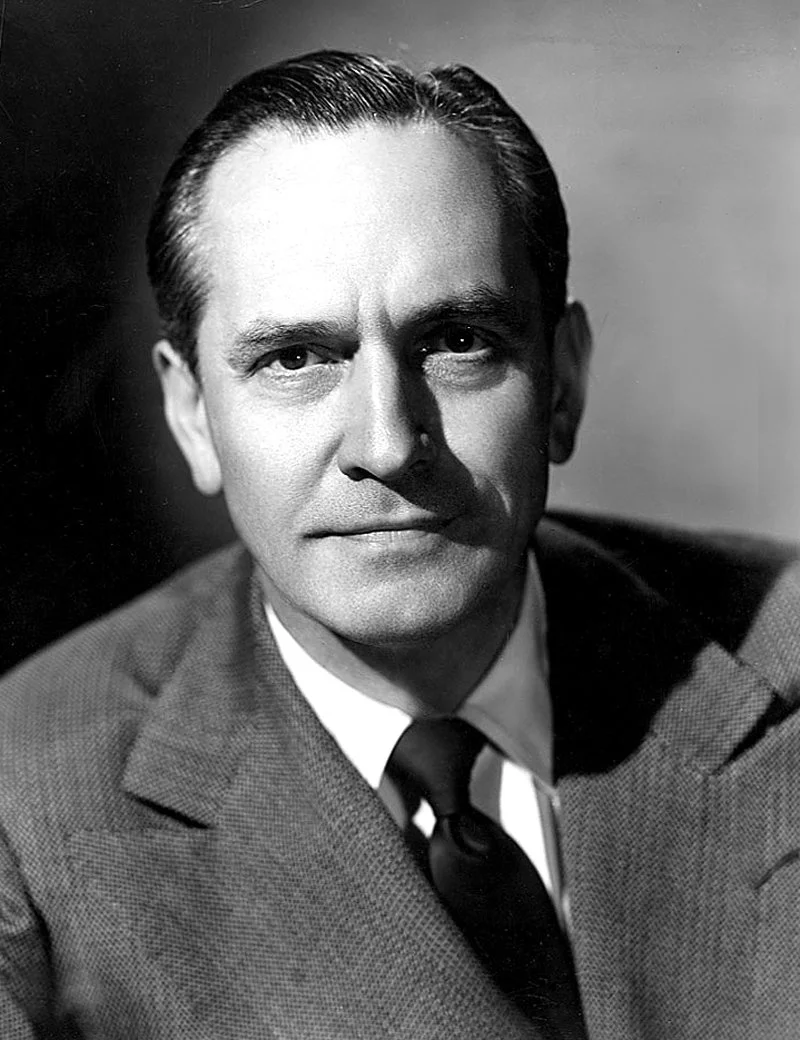
Hollywood leading man and Communist political activist Frederic Marsh, born Ernest Frederick McIntyre Bickel in Racine, Wisconsin.
By the start of WWII Purvis was wearing several hats. James Jesus Angleton’s biographer Robin W. Winks places Purvis as gatekeeper to three intelligence organs which were important to FDR. A position in one of these three organs was offered to James Jesus Angleton by Purvis in 1941 [Cloak and Gown, p 340.]: “one to check on lost equipment (for which, read stolen) that was believed to be in North Africa, another to work with the Army Counterintelligence Corps, a third with the OSS [Office of Strategic Services].”
All three of these positions have a curious Galician Gang synergy. The ‘Jewish Underground’ in Italy and North Africa were smuggling (sometimes looting) military equipment to supply their future Zionist state in Britain’s Palestine protectorate, they called this smuggling operation “rekhesh”. The Army Counterintelligence Corps were tasked with investigating domestic subversion by unions which had come under Galician Gang/Soviet control. The OSS would go into business big time with Meyer Lansky and Lucky Luciano.
It’s almost as if FDR’s machine had made Purvis the first “Angleton”: their point man on working with the Jewish Mob. Considered in this light, and alongside shady war-time deals like “The Transfer Agreement”, Purvis’s time socializing with Herman Goering makes more sense, as does Purvis’s involvement with the Nuremberg Trials.
Now a word on Cicely d’Autremont. When Purvis offered Angleton these three roles, and Angleton chose the OSS, he came under the guidance of a man called Norman Holmes Pearson who was from an old radical protestant Yankee family in Massachusetts. Pearson was a good friend of Ezra Pound, as was Angleton, and clearly in what would be termed the “T.S. Eliot” camp of US intelligence. While developing the OSS’s staff, Pearson was as keen to strengthen his relationship with Cicely d’Autremont as he was with her new husband, Angleton. Cicely’s grandfather had been on the front lines combating labor unrest in the US mining industry: a strategically important undertaking that captured Theodore Roosevelt’s attention. It struck at the heart of Galican Gang power in MN, the power that killed Liggett. When Cicely’s relative Elizabeth Mannering Congdon was murdered by her adopted daughter shortly after Bill Colby forced Cicely’s husband out of the CIA, the Galician Gang-owned movie theater in their hometown Duluth celebrated the murder. Food for thought.
In summary, what connects James Angleton, Melvin Purvis, J. Edgar Hoover, Franklin D. Roosevelt, Thomas Dewey and Meyer Lansky to Mar-A-Lago is the Galician Gang. This seems fitting as the property’s current owner is widely believed to have Galician Gang connections, too. The type of connections which benefit from the unpopular war on Iran; or burying Epstein files; or protecting Bibi Netanyahu from the justice of his peers. Therefore, you might say Mar-A-Lago is the architectural manifestation of a spirit which our nation needs to exorcise.