Sexual Blackmail and German Beef Tariffs
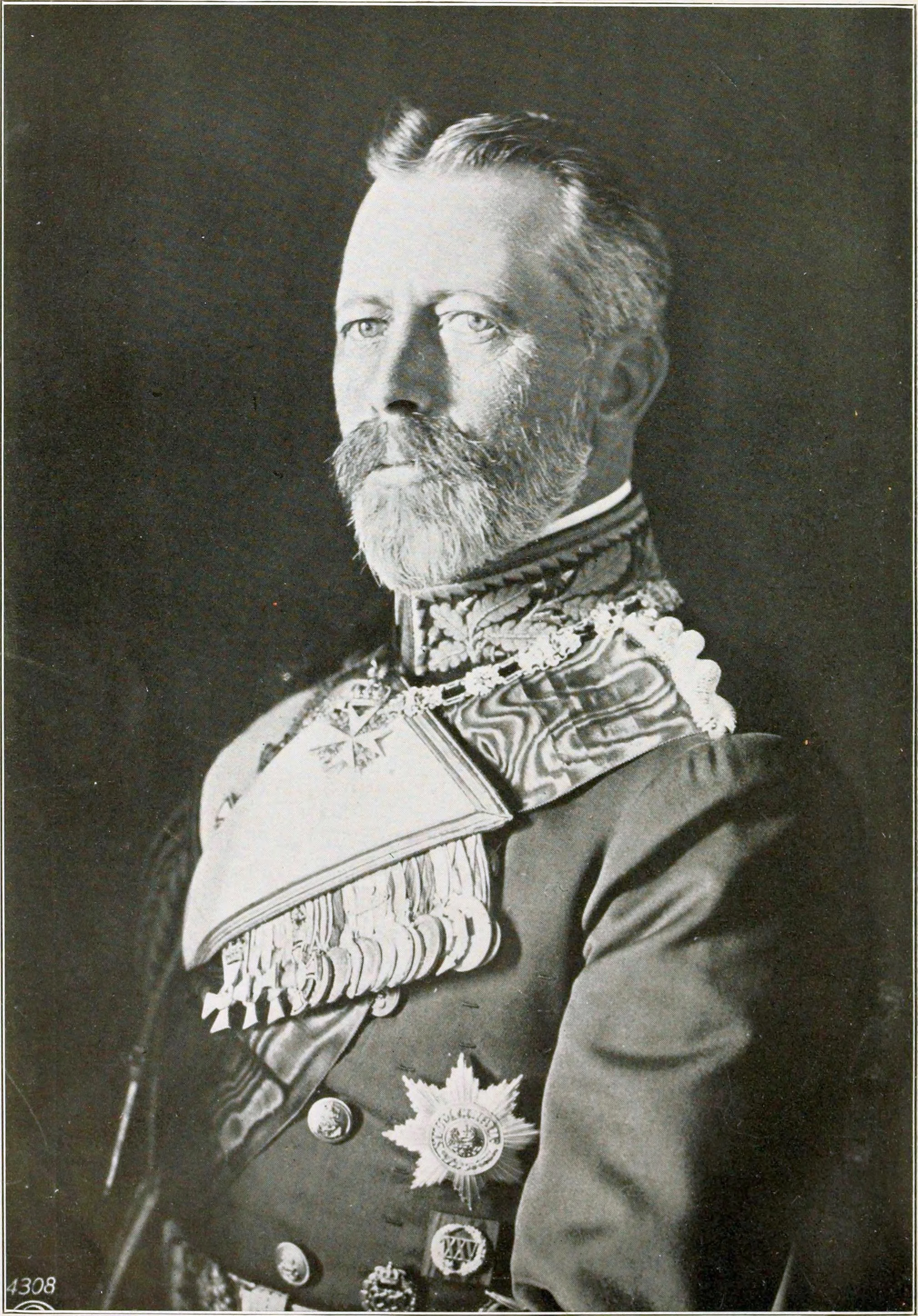
One of the weirder footnotes to Chicago’s history is that of Prussian Prince Henry’s March 1902 night at the Everleigh Club, Chicago’s premiere bordello. (Henry, pictured above, was the brother of the Kaiser.) At this event the Everleigh Sisters, madams of the Kentucky Colony’s favorite whorehouse, had their prostitutes stage a reenactment of the “Feast of Dionysus”. This is an occult ritual whereby participants believe that they partake of godlike powers via eating the body of the god Dionysus. This same feast was staged by transvestites and children for the 2024 Paris Olympics.
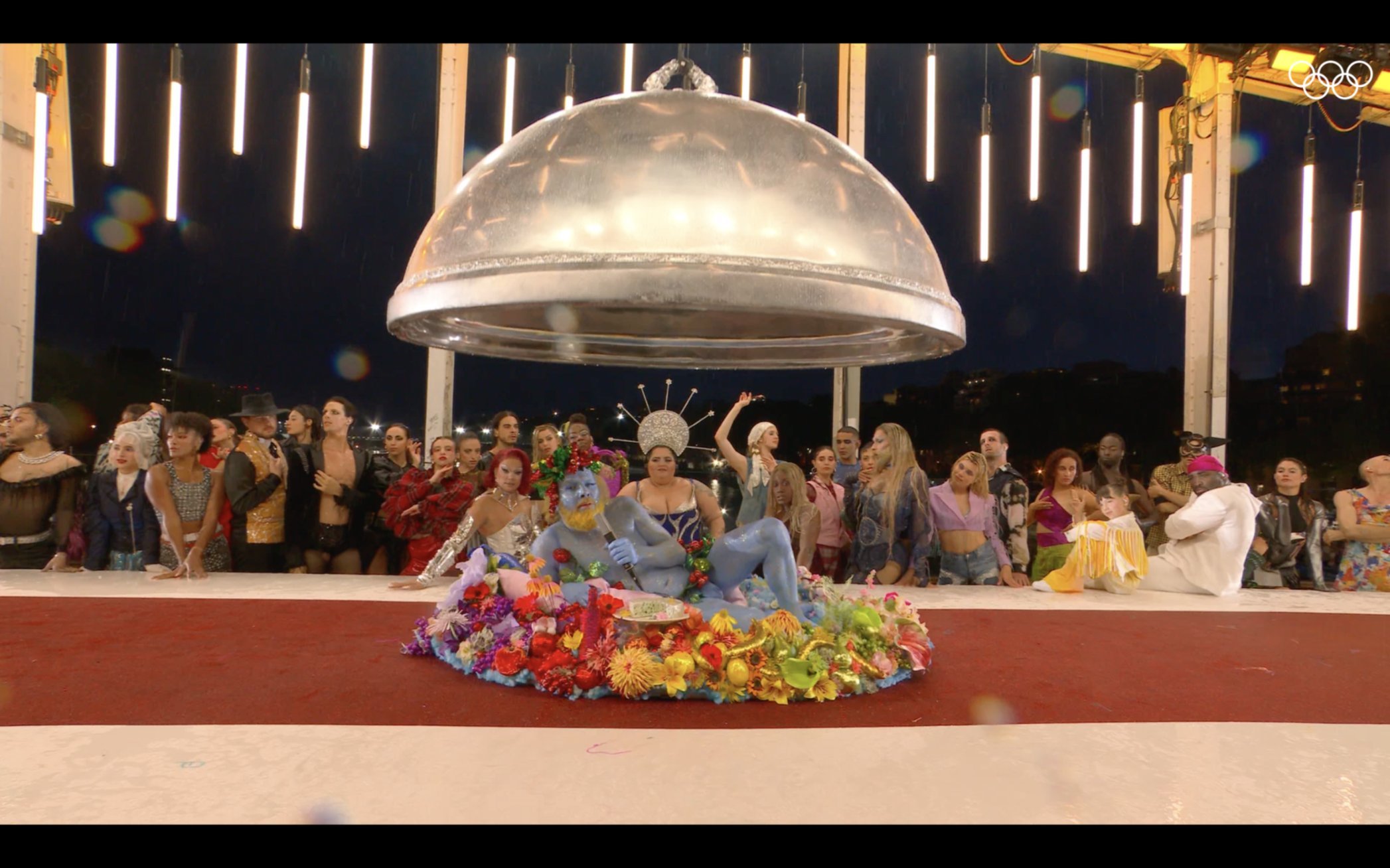
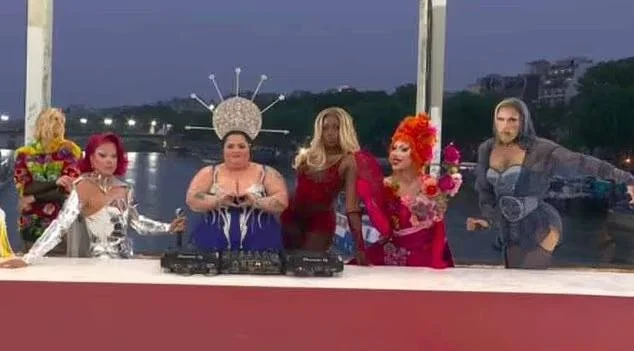
Organizers of the spectacle identify it as the Dionysus Feast (cannibalism), rather than a mockery of the Last Supper.
It’s noteworthy that 1900s Chicago whorehouses would be on the same cultural wavelength as the Paris 2024 Olympic Committee. Here’s a brief description of what went down for the Prince and his entourage in 1902:
[Sin in the Second City, Karen Abbott, p 75-77]
The members of his [Prince Henry’s] entourage wore sweeping capes and frowns that stretched to their necks. Expressions improved markedly once Minna [Everleigh, Levee top madame] greeted her boys and escorted them to the Pullman Buffet [Pullman Room at the Everleigh, named after George Mortimer Pullman] for dinner.
At 1:30 a.m., Minna came to round everyone up, telling the girls the show was about to start— touch up their makeup one last time and don’t forget that they weren’t to wear shoes. The harlots yanked pins from their hair and shook it out, slicing strands with their fingers, the messier the better. They rushed down the spiral staircase and into the parlor, where they found Prince Henry and his entourage at a long table. The girls whooped and swirled in circles, kicking, backs arching like drawn bows. The decisive clang of cymbals punctuated every move. One girl thrashed her way across the room, heading directly for Prince Henry, and just as she reached him she leapt, turned a half circle in midair, and landed on his lap, latching on to his neck. The others followed suit and soon every man at the table was grappling with an Everleigh butterfly.
Minna dimmed the lights, the signal for the second act of the show. In rehearsals she’d used real torches but found that they’d “smoked up the room”, so she’d decided to improvise during the real event.
A servant wheeled a bull made entirely of cloth into the room. The girls raced toward the structure, punching its head and biting its hide, spitting white flurries of cotton. Minna watched, nodding with approval. It was perfect, she thought. This was exactly how the infant Dionysus-Zagreus had been killed. For sound effects, a male butler bellowed each time a mouth clamped down on the bull. Then Minna pointed a finger, and servants fetched platters piled with uncooked sirloin. For ten minutes, the harlots tore into the raw strips, ripping the meat with feral bites, their faces stained with pink slashes of animal blood. The Germans loved it.
When the platters were empty, Minna threw on the lights. She would now take their visitors for a grand tour of the Club. The harlots trooped back upstairs, changed from their fawnskins into evening gowns, pinned up their hair, wiped the blood from their cheeks. A few girls brought dignitaries to their boudoirs, eager to display other talents besides play acting Greek mythology, and hurried downstairs to join the champagne toast when their guests were satisfied.
According to Bertha Palmer’s biography (assembled by her heirs), Bertha’s brother and son were in charge of hosting the prince during his stay in Chicago. According to Chicago historian Charles Washburn (Come into my Parlor, 1934. p 159) the reporters of The Chicago Tribune, a paper friendly to Bertha, had full run of the Everleigh establishment. According to Karen Abbott, the event was reported in the press in Germany not long afterwards and that the Kaiser was offended by the bordello event. But why? Why would the Kentucky Colony’s #1 bordello have any reason to embarrass the Kaiser?
Because the Reichstag were about to vote in favor of tariffs on American beef.
Bertha’s husband Potter Palmer was landlord, investor and mentor to Marshall Field. Marshall Field was close friends with Philip Danforth Armour, the Beef Trust magnate. Together with George Mortimer Pullman, these three men comprised “The Trinity of Chicago Business.” Chicago meatpackers stood to lose big when the German tariffs came into effect.
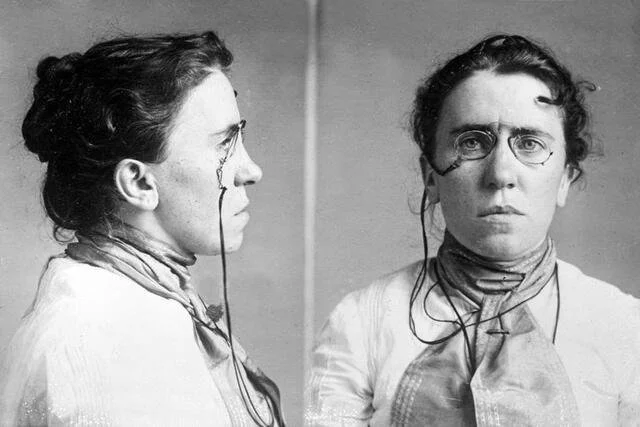
Tariffs are an excellent way of protecting national economies, and ought to be set in close cooperation with military needs. A country that can’t feed itself, or produce its own armaments and medicines, won’t be a country for long. US lawmakers during the McKinley administration understood this and introduced tariffs on German sugar in an attempt to encourage the domestic US sugar interests. (A crazed socialist inspired by Emma Goldman, a Russian immigrant with a German name, shot McKinley.)
The sugar industry in German Europe was the largest global producer and was largely controlled by wealthy Jewish industrialists and bankers. In both Austria-Hungary and the Prussian Empire, the sugar industry was subsidized by their respective governments and run on a cartel-basis which was designed to generate government revenue from exports. Sugar speculators like Maurice de Hirsh (of the White Slave Trade), or Rothschild partner/Prussian financier Gerson von Bleichröder, gained enormous power this way. In Austria, the sugar barons (Rothschild, Gomperz), once they were given control of regional sugar monopolies, invested in newspapers and telegraph bureaus in places like Vienna. These US tariffs directly hurt German Jewish interests. US politicians wanted no part financing the Prussian nor Hapsburg empires.

The Inter Ocean (Chicago), Jan 1, 1900. Page 9.
If US lawmakers were going to hit Prussia’s politically-sensitive industry, the Prussians were going to hit back at our well-connected beef barons. The following was printed in The Chicago Tribune, the Lincoln paper, on February 25, 1900, Page 10:
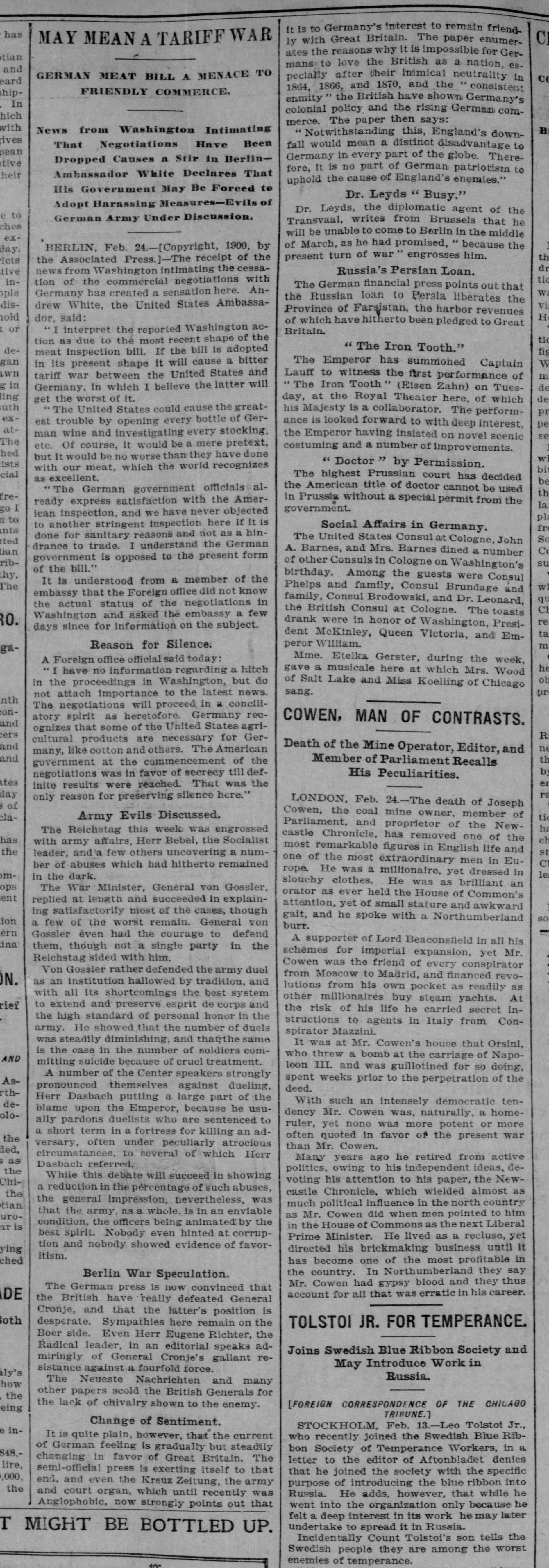
Chicago’s Beef Trust, fresh from its victory over the Vanderbilts, saw danger to its interests in protectionist tariff policies. The nasty “embalmed meat” scandals involving the Beef Trust and Teddy Roosevelt’s Cuban war gave the Prussians plenty of justification. It was a few weeks after this article appeared that the Kaiser’s brother was treated to the well-publicized occult orgy at the Everleigh Club.
Prince Henry was in the USA ostensibly to collect his brother’s new yacht, the “Meteor III”. The prince made obligatory worship at the Lincoln Monument in Chicago and was feted by the powerful Roosevelt family, too. He toured New York City, Washington D.C. and a host of other stops between February 22 and March 11, 1902 when he returned home. Bertha had the power to get a hold of him for one of those precious nights and work her magic.
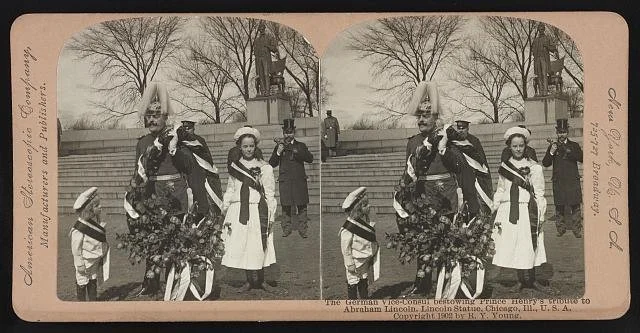
“The German Vice-Consul bestowing Prince Henry's tribute to Abraham Lincoln Statue, Chicago, Ill., U.S.A.” Library of Congress. See the full set of 123 stereo card images here.
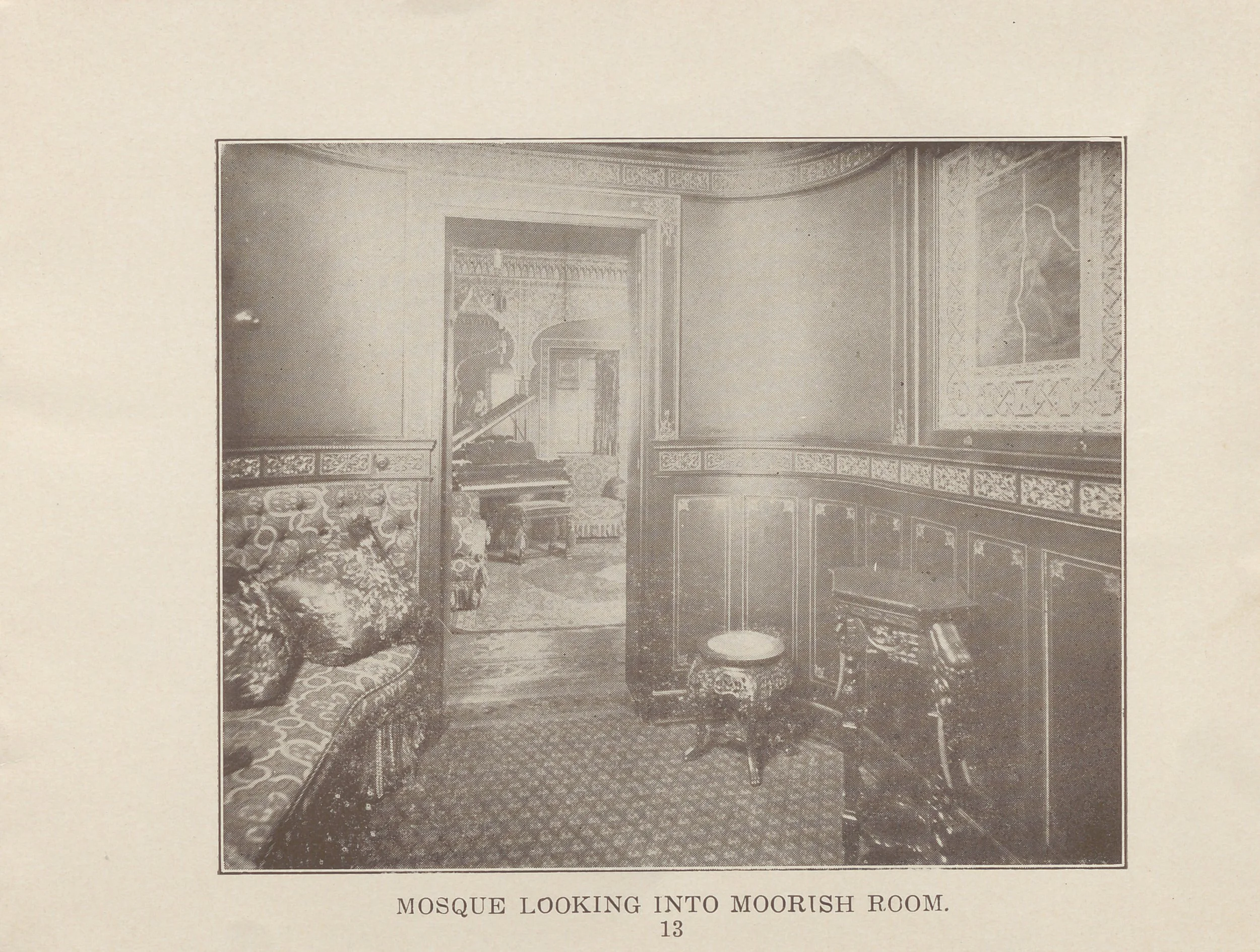
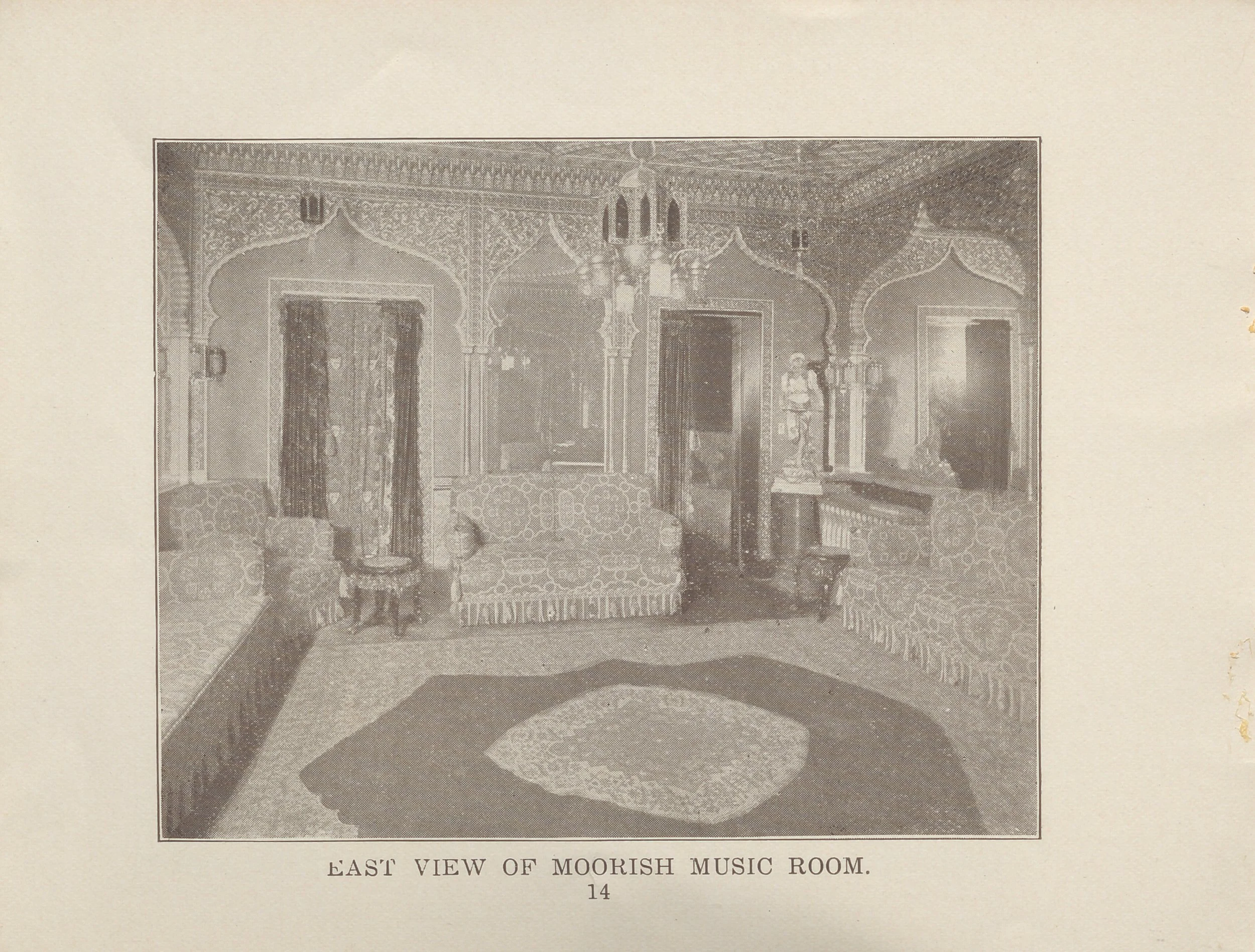
Images from the interior of the Everleigh Club. To read about human traffickers’ obsession with Islamic sex slavery, see my post on Lucie Duff Gordon.
In the years following Prince Henry’s visit Bertha Palmer would stage sex shows for Edward VII of Great Britain with the help of his financial handler Ernest Cassel, the principal investor in Egypt’s sugar industry after the building of the Aswan Low Dam.
But with the heightening of the Aswan Reservoir, a second generation of sugar factories expanded across Upper Egypt including an important one in Kom-Ombo, a village north of Aswan bordering the (Ernest) Cassel irrigation canal…
Yet, besides it fantastic turnaround from a forgotten village with old relics from the past to a thriving crop producing center, Kom-ombo became an issue with those who saw things otherwise. Conceived and created by an international group of Jewish capitalists, editorials came out referring to Kom-ombo as an "Israeli Colony on Egyptian soil." Al-Ahram, in its 10 December 1903 editorial went as far as saying that the Upper Egypt town was about to replicate of what was going on in Palestine. "Once Kom-ombo plan is up and running its owners plan to import Zionist laborers to till the land, similar to what Rothschild did in Palestine. Hence, Zionists need no longer to go to Eastern Uganda as suggested by the British."
… It was no coincidence also that the owners of the Sugar Company were the principal shareholders of the agricultural concerns that operated and managed Upper Egypt's vast sugar plantations. One of these mammoth concerns was the Wadi Kom-Ombo Company, the brainchild in 1904 of Sir Ernest Cassel of London, the same man who, in 1898, had heavily invested in the construction of the Aswan Reservoir.
Cassel's associates in Egypt included Raphael Suares, Sir Elwin Palmer of the National Bank of Egypt, Sir Victor Harari Pasha of the ministry of finance, agronomist Victor Mosseri Bey, engineer Youssef Cattaui Pasha and banker Robert Rolo (later Sir Rolo). It was Sir Victor, who upon retiring from his government job in 1905, oversaw the new company's financial affairs. [by Samir Raafat, Egyptian Mail, February, 03, 1996. Extended version in "The Egyptian Bourse" published by Zeitouna 2010]
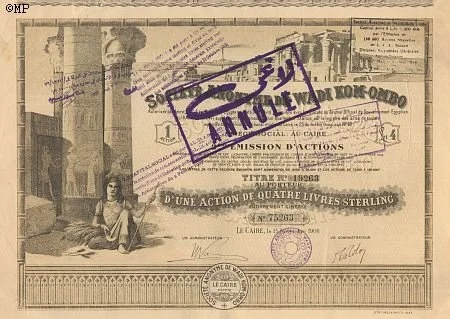
1906 share certificate of the Wadi Kom-Ombo company
"Societe Anonyme de Wadi Kom-Ombo" founded by the Suareses and Cattauis.
Now, unorthodox investors’ designs on Egypt will be familiar to longtime readers of AndreaNolen.com. I wrote about an earlier Egyptian water development, the Suez Canal, with respect to Lucie Duff Gordon and Otto Kahn. Could Bertha stand by when elected officials in Washington D.C. threatened the interest of both her Beef Trust and unorthodox investor friends in London? I think not. The Beef Trust knew they could count on Chicago’s bordello queen. I’m impressed that the Prussians didn’t back down.
As the international situation progressed, Beef Trust barons made blustery statements to Chicago’s press magnates:
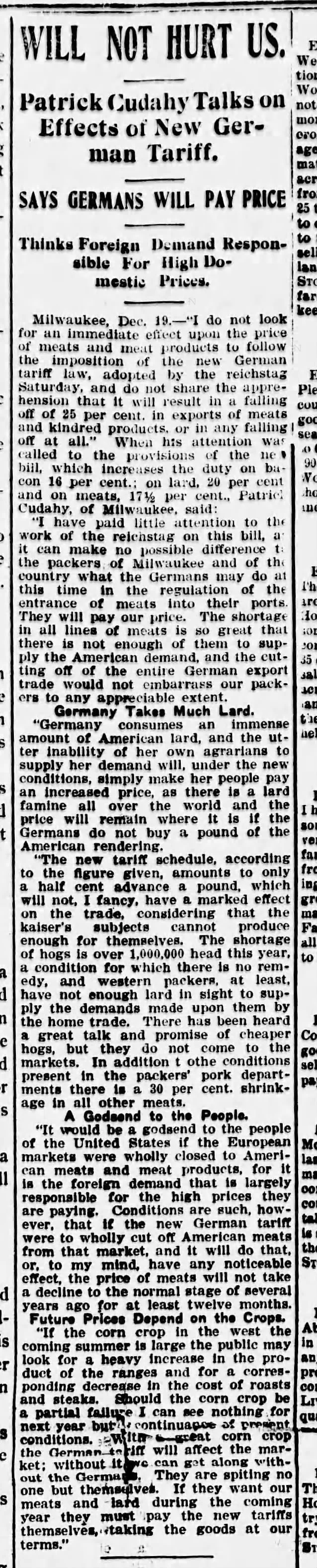
The Chicago Live Stock World, Dec 19, 1902. Page 2
Now Americans may forget that Theodore Roosevelt relied on Imperial Prussian money to finance his early political campaigns:
1915 was also the time that Theodore Roosevelt used Imperial German money to promote his ‘Bull Moose’ campaign, a calculated move designed to harm the Republican party and which resulted in Woodrow Wilson’s election. In 1915 Roosevelt partisan Edward Rumley bought New York Evening Mail using Imperial German funds and allowed Roosevelt to propagandize from its pages. Because of this activity, Rumley was convicted of “trading with the enemy” in 1918, but pardoned by President Coolidge in 1925.
Even prior to this, Roosevelt had close relations with the cattlemen who supplied the Beef Trust:

The Colorado Statesman, January 14, 1905.
The convention described above kicked off two opposing responses from the Beef Trust and, I allege, Roosevelt’s German supporters. First, German-aligned interests: that August (1905) the Roosevelt Administration brought anti-trust action against the Beef Trust and a German-run beef processing firm. I think its obvious where any German intelligence came from, after all the clandestine service reported directly to the offended Kaiser.

Fort Worth Star Telegram, August 22, 1905 page 6.
Schwarzschild & Sulzberger was a meatpacking ally of the Beef Trust founded by German immigrant Ferdinand Sulzberger, who was a philanthropy partner of financier Jacob Schiff, who I write about with respect to the White Slave Trade. (There’s a pattern here.)
Ahhhh— but the Kentucky Colony was active, too. They responded by organizing a powerful business constituency behind free trade and countering any American tariffs which, if successful, would remove German political will to tax American beef.
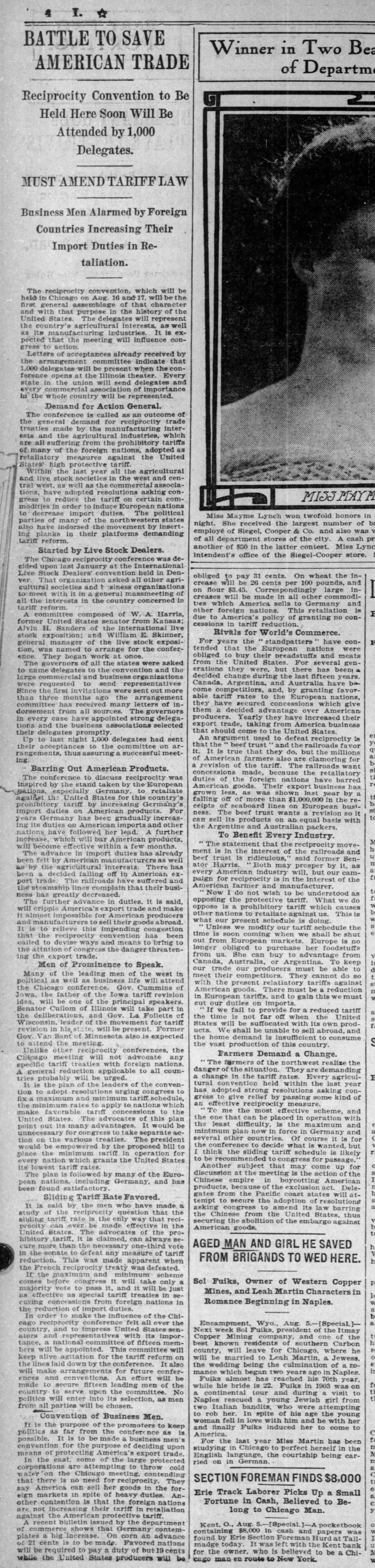
The Chicago Tribune, August 6, 1905.
And in case that didn’t work, the Beef Trust sought to buy Argentinian beef producers who were not affected by the German tariffs:

The Boston Globe, January 6, 1906. 1/2

The Boston Globe, January 6, 1906. 2/2
“Swift & Co and the Cudahy packing company made every effort possible to avert the German tariff, which they declared was a war measure, aimed almost directly at the packing and live stock interest, and they desired the United States to come to a friendly understanding with Germany before it was too late.”
It was German economic prowess which frightened London’s “unorthodox investors” into WWI. I wrote about that with respect to the shipping trade a few years ago: Submarines in the Great Lakes. With Prince Henry and the German Tariffs we are given glorious insight into the inner workings of the “unorthodox investors’” Chicago Friends. Bertha Palmer was a forerunner to Jeffery Epstein. She ran sexual blackmail operations just like Madame Rachel and Lincoln’s Galician Gang spies in London. I’m amazed that this aspect of Bertha Palmer’s life has remained unreported for so long. I’m amazed these entrapment operations still work, given how long they’ve been going on. Fathers tell your sons.
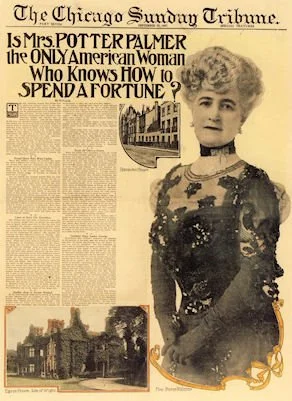
ATTN: Tulsi Gabbard.