What is the "Office of Naval Intelligence"?
The world wasn’t always the way it is now. There was a time when most people were governed by a king or an emperor. There was a time when a small group of aristocratic families controlled the “foreign affairs” for any given state. In Central Europe, this situation persisted until the 1880s, it hung on quite a bit longer in Great Britain. By the decade preceding WWI however, most of these aristocratic families had been displaced by nouveau riche bankers and industrialists. We’re still in the period where bankers dictate foreign policy, less so industrialists.
What does any of this have to do with the United States’ “Office of Naval Intelligence” (henceforth, “ONI”)? Well, the ONI is an old institution and its evolution describes that aristocratic-to-banker transition of social power.
The ONI started its life in 1882. Back in those days it existed to gather strategic and technical information for war planning. In the words of historian/ONI employee Jeffery M. Dorwart, that meant “a few dashing officers attached to U.S. diplomatic missions in glamorous foreign capitals provided data, gathered mostly through casual observation of local scenery, interviews over drinks and dinner with foreign officials, or by skimming easily accessible technical journals.”
What Dorwart describes is legal espionage. This is the way espionage was done, law-breaking or even dishonorable tactics were shunned and, if not altogether abandoned, such tactics delegitimized whichever regime sponsored them and cost the agent their social esteem. The basis of this rules-based system was cultural and anyone aspiring to be a “dashing officer” had to have the right background and education to understand it.
In the USA, that background meant you had to be a WASP, while in Europe, the continent that mattered most, it meant you needed to come from a family with a pedigree ratified by the social consensus of your aristocratic peers. Even if a man had the right breeding, social consensus was withdrawn if he failed to abide by the honor-culture. Therefore, to be an aristocrat it wasn’t enough just to buy a title from the emperor, even if the emperor said as much. In places like Austria-Hungary selling titles created a bastard class: certificate ‘new aristocrats’ who were useful to the emperor but socially disrespected and desperately insecure. Bankers and industrialists bloated this bastard class.
The power transition from aristocratic families to the bankers marked the end of the legal espionage system which Dorwart described. The “dashing officer” club is now open to anyone who is willing to pimp children in order to get compromising information on their political opponents. The world really has changed.

He’s intelligence.
How did this change come about? Let’s see what the ONI can tell us.
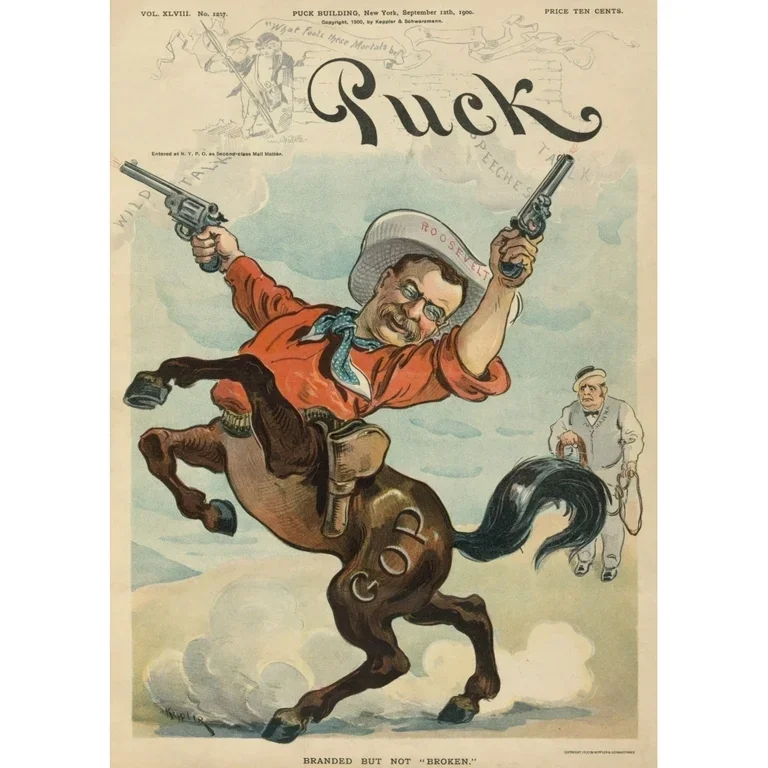
The ONI was a very small office prior the political rise of Theodore Roosevelt. It mostly existed to encourage naval defense spending by touting foreign powers’ naval prowess to congressmen and the US taxpayers. When Teddy came along, the ONI men got a taste of stardom. The ONI was plugged into Roosevelt’s putsch to bring Cuba under US control. The men involved in that undertaking found extraordinary political support in Washington D.C. over the next fifty odd years as Cuba became a nexus for organized crime. However, in 1909 when Teddy left the presidency, that warm glow of stardom moved from the ONI and funding got tight.
Unfortunately for the United States (and the world), the ONI was an outgrowth of the US Naval Academy which had been moved out of Annapolis, MD to Newport, RI during the United States’ Civil War so that Lincoln’s administration could keep control of it. By doing so, the Navy’s intelligence capabilities were put into the back yard of families like the Vanderbilts who kept luxury “cottages” further up the beach.
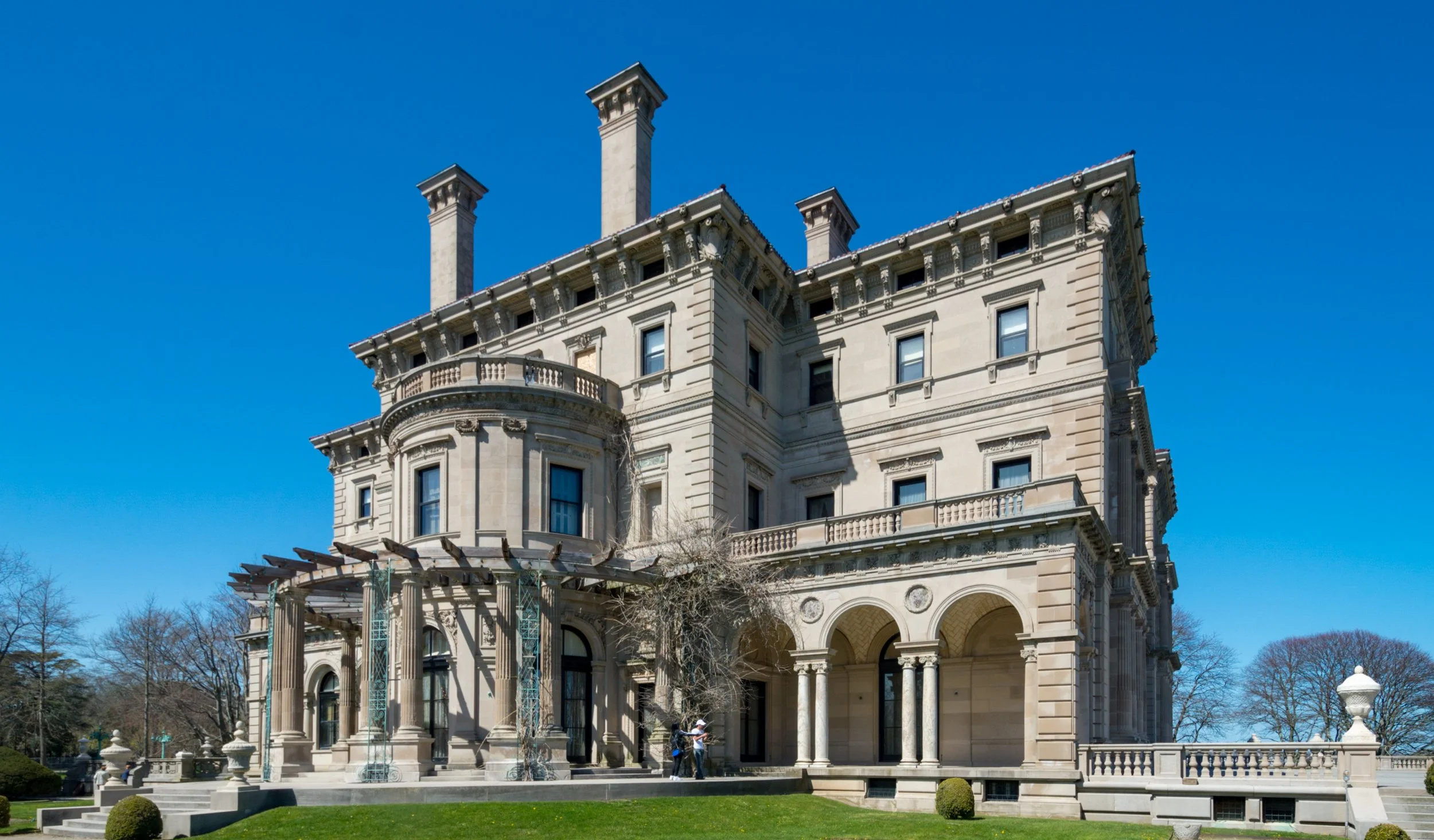
The Vanderbilts’ “Breakers” cottage in Newport, RI.
The Vanderbilts were really creepy people. They built estates like the one above to ape the “dashing officer” aristocrats back in Europe, but the family were not aristocratic themselves. They were merchants and bankers, for instance they controlled the “Shoe and Leather Bank” in New York through the Kissam side. Shoe and Leather National Bank notes were a favorite for Lincoln’s counterfeiting gang to fake. Since Lincoln’s men worked with the legitimate printers of these bills to make the fakes, it’s unlikely that the Vanderbilts didn’t know that the counterfeiting was happening. This is because the legitimate printers needed access to the Shoe and Leather Bank printing plates, which the board of the bank was tasked with keeping secure.
The Vanderbilts had creepy friends too. One of these was Sisi of Austria, whose husband sponsored the horrific human trafficking networks that fed on his people. He made this partnership with the Galician Gang traffickers in order to keep power after the 1848 revolutions. The Galician Gang supplied information and muscle for the secret police network that oppressed political opposition to the Emperor. Sisi was a style leader among the rich Galician Gang wives as well as Newport’s insecure elite. What do you suppose Sisi and the Vanderbilts talked about on her endless yacht vacations? Perhaps where to find the best photographs of prostitutes…
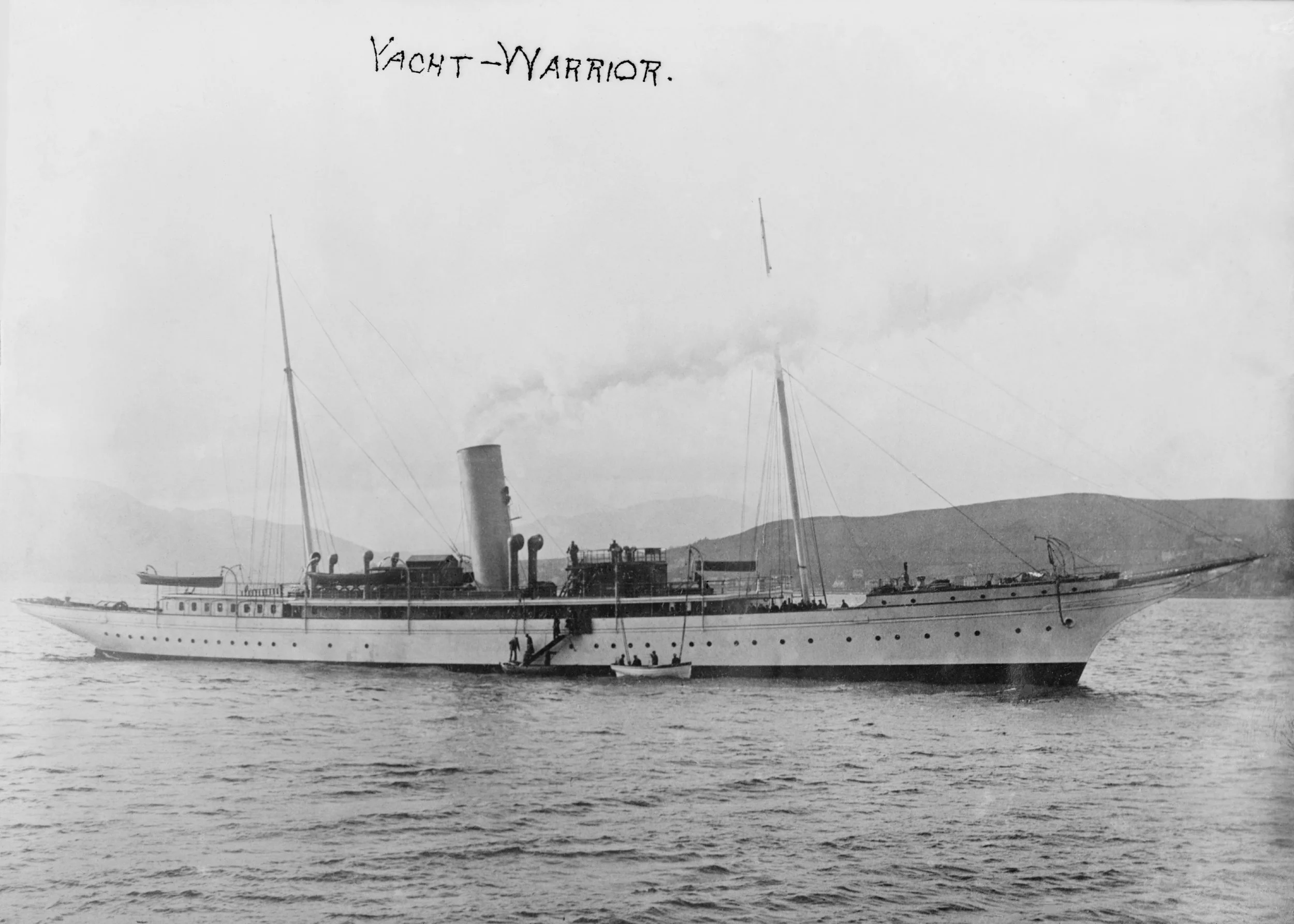
Frederick W Vanderbilt’s steam yacht “Warrior”, 1910.
I’m just kidding. Regular readers know that the Vanderbilts were very interested in the Galician Gang themselves. It was Vanderbilt contacts that brought sex trade fashionista Lucy Duff Gordon’s “money dresses” to Newport society. LDG was costumer for Kentucky Colony offspring Flo Ziegfeld and his NYC sex show. The sex show bolstered by hundreds of secret pictures of naked Hollywood starlets. Flo Ziegfeld’s father came the USA with the highest level military contacts in Vienna and Berlin, and the names of three hundred or so traveling musical acts which Austrian police recognized as covers for human sex trafficking…
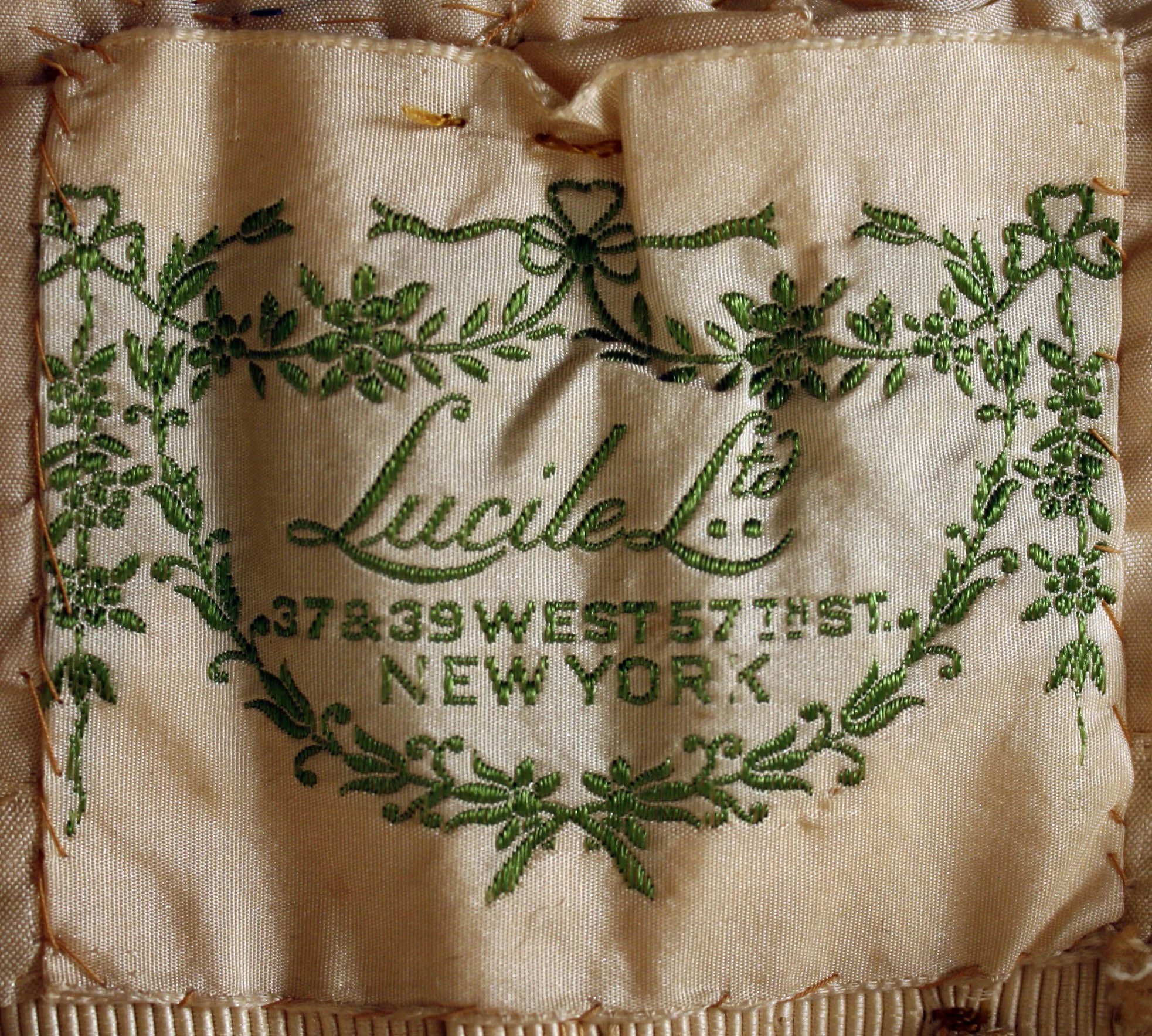
A tag from the NYC studio LDG set up with Vanderbilt help. LDG got her start in London, where she designed lingerie for the nouveau riche and high class prostitutes. These garments were expensive items, which prostitutes usually had to borrow money from their madams/pimps to buy. Debt slavery was an important way of controlling trafficked people, most of whom were groomed for sexual exploitation from 14 years old or younger. LDG get-ups were a prostitute’s entry fee for access to the high-rolling punters.
Regular readers know that circa 1916 there was a sea change in Chicago politics in favor of joining WWI on the side of the British. Among the descendants of Lincoln’s supporters, Anglophilia was normal. However, among the newly powerful Galician Gang members, loyalty to the UK only came with the new pro-Zionist prime minister David Lloyd George. The British war effort got support from the Vanderbilts, who were on hand to work with American movie theaters, by this time dominated by Galician Gang film distributors (thank you, Roosevelts!). William K. Vanderbilt himself organized the distribution of British-made war propaganda films when the sleazy British agent Charles Urban and his “Polish” wife fumbled the job. Monroe, WI’s movie mogul John Freuler was at the head of the pack making this Vanderbilt effort happen for the British Empire.
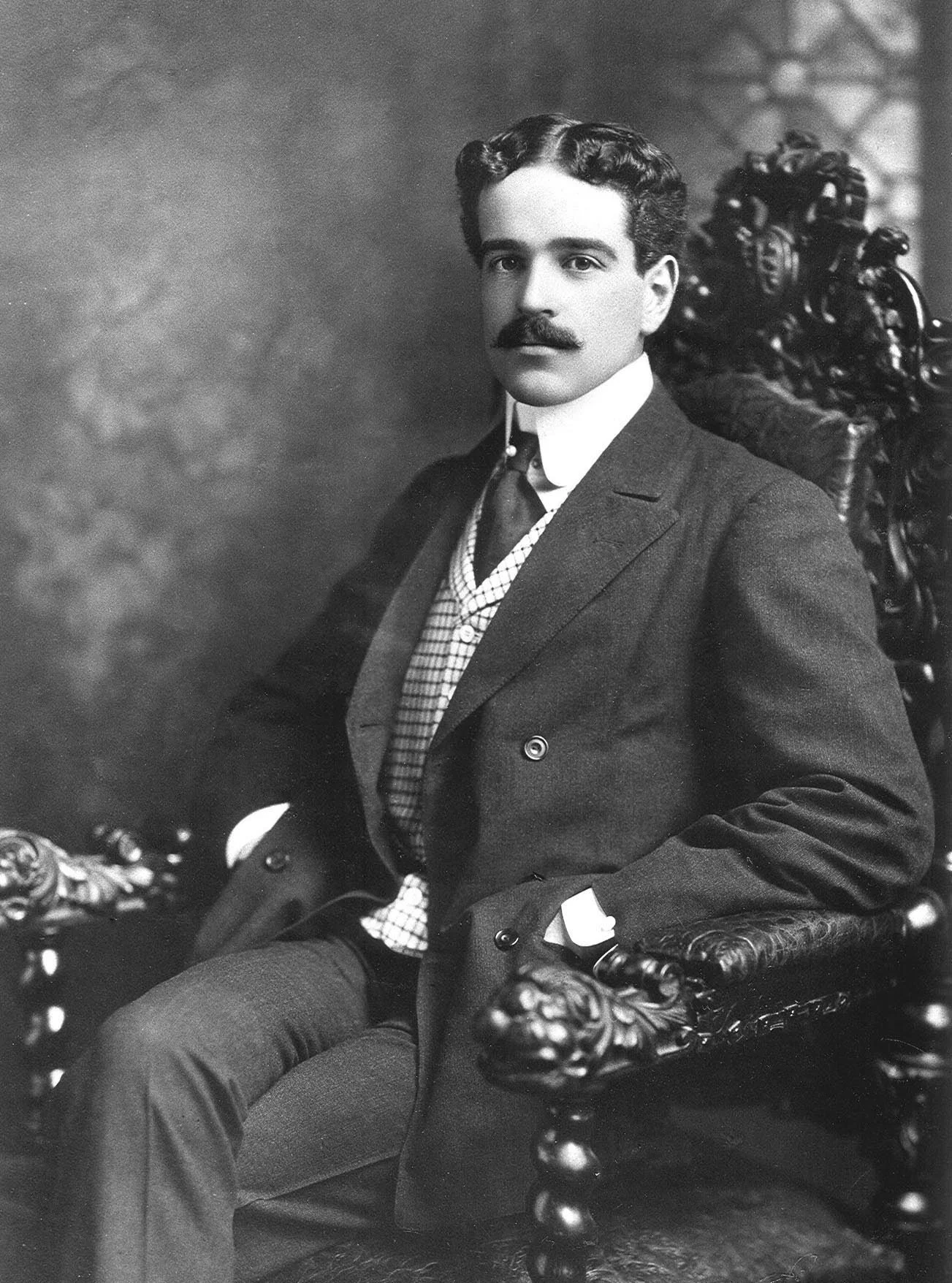
William K. Vanderbilt
Guess what? The ONI could help the British too! In 1916, under President Wilson (whose election was guaranteed by Theodore Roosevelt’s treacherous behavior towards the Republican Party of which he had lost control), the ONI found itself flush with cash to recruit thousands of new agents for the war effort. By 1919 over 3000 agents were on ONI payroll in Newport.
What sort of agents were these? They sure weren’t “dashing officers”! They were, according to Dorwart, an “odd assortment of cable censors, detectives, safe crackers, informants, and wealthy society figures collected by [Rear Admiral Roger] Welles during the war.” Not all recruits were duds. Industrialist Chester A. Congdon, James Jesus Angelton’s future in law and Teddy supporter, supplied his best mining engineers in Minnesota and Arizona for Welles’ effort. However ONI head Rear Admiral Albert Niblack, who was tasked with containing Welles’ mess in 1919, described the preponderance of these agents as “gumshoes” and too many were “utterly incompetent or troublesome.” But just like the OSS a generation later, the chaff was never swept clean. Government offices don’t shrink, they grow. The result? Bankers at Kuhn Loeb & Co could call on ONI men whenever they needed illegal espionage work done.
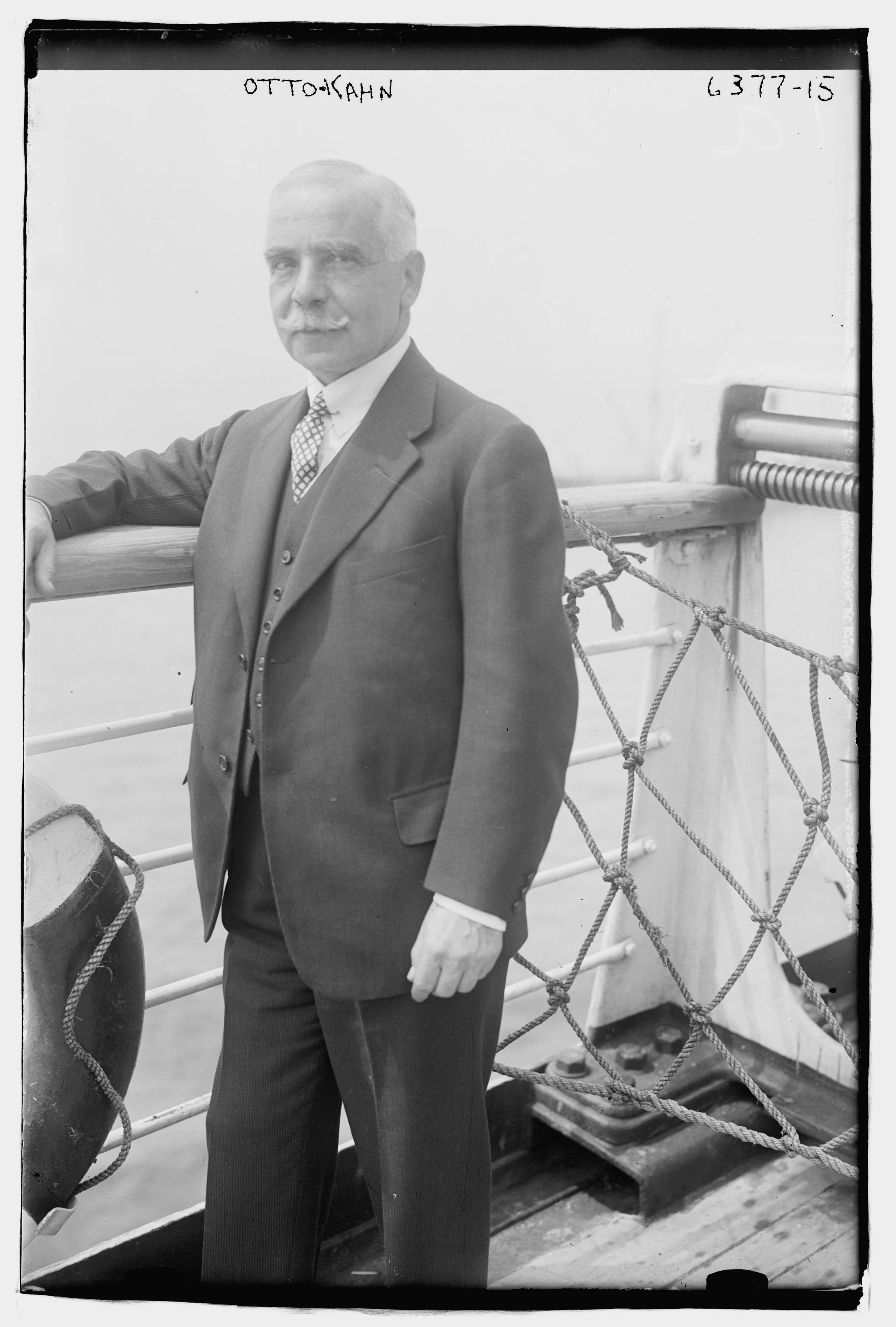
Opera Spy and Kuhn, Loeb & Co partner Otto Kahn.
Yes, that Kuhn, Loeb & Co. The cosmopolitan banking house set up by the Rothschilds’ brokers, the Schiff family. The employers of would-be British parliamentarian and Austrian spy Otto Kahn. The kingmakers of Early Film. The astroturfers of NYC’s Socialist Movement. The bumbling ‘anti-White Slavery’ activists who in practice cemented Galician Gang political control in city centers throughout the democratic world through organizations like B’nai B’rith. The firm who lent money to both sides during WWI, just ten years prior.
By 1930 Kuhn, Loeb & Co. partner Lewis Lichtenstein Strauss, the wealthy son of Austro-Hungarian Jewish immigrants to the USA, used his contacts at the ONI to call in a favor for President Herbert Hoover. President Hoover had become “overly excitable and sensitive to any opposition or criticism.” Much like Empress Sisi, Hoover was a student of the hermetic occult and translated Georgius Agricola’s De Re Metallica. The occult tends to appeal to people of an unstable disposition. Anyway, Hoover had got it into his head that Democratic Party opponents had a damaging file on him which they intended to release and destroy his reputation. Strauss told Hoover that he could fix the problem.
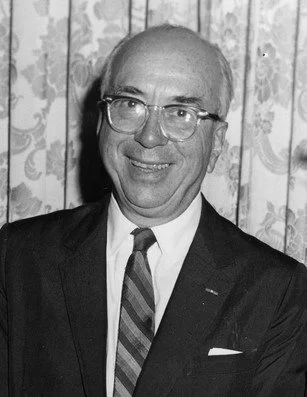
Lewis Lichtenstein Strauss, descended from immigrants to Virginia in the 1830s/40s, Strauss prospered as part of the Bureau of Ordinance from 1926-45. When his grandparents immigrated, similar military procurement business opportunities had been available to his people for about forty years in the Austrian Empire. Until the 1890s rich Jewish families sough reserve officer positions for their sons because of the social prestige and relative safety of such positions.
How did Strauss have these ONI contacts? Strauss was a naval reserve officer who “maintained close contact” with the ONI’s man in NYC, Third Naval District Intelligence Officer Paul Foster. Foster tapped an underling, DIO Glenn Howell, to steal the file for Hoover.
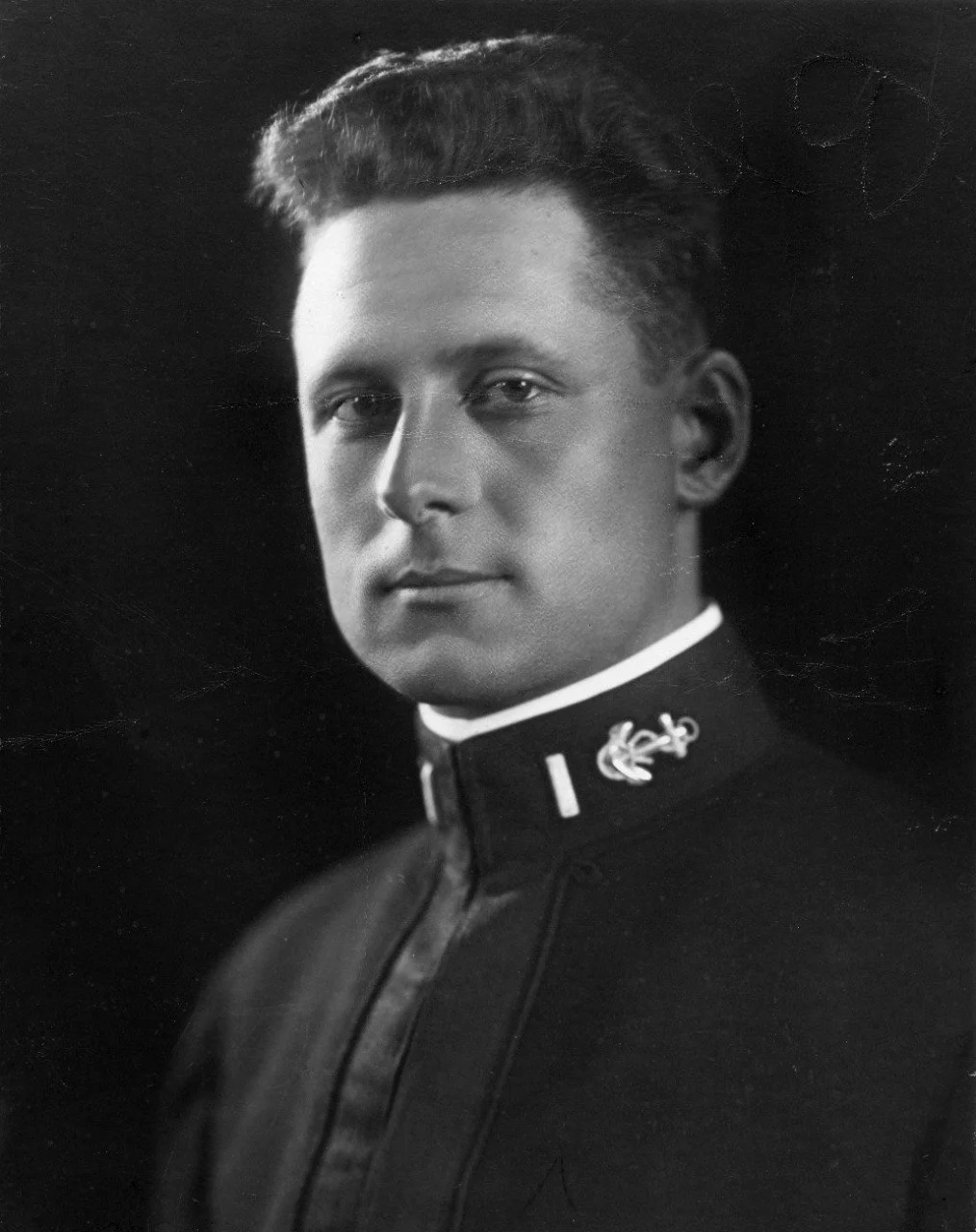
Paul Foster as an ensign.
““I am going to tackle it, of course, but it’s a devilish awkward job, and I may very readily find myself in a hell’s brew of trouble.””
With full knowledge that their actions were illegal, the entire ONI chain of command in its Third District (NYC) helped Hoover and Kuhn, Loeb & Co. break the laws of the United States and weaponize the Navy against suspected political adversaries of the president. This was in 1930.
Oh and by the way, when Howell did break into the specified Democratic Party office, no files were present. Therefore, he and a civilian criminal named Robert J. Peterkin stalked a “political operator and propagandist” for the Democrats named “O’Brien”, who Hoover believed was implicated in the file hoax in some way. Howell concluded that O’Brien was such a fool that he couldn’t frame anyone, so Hoover agreed to shut the case.
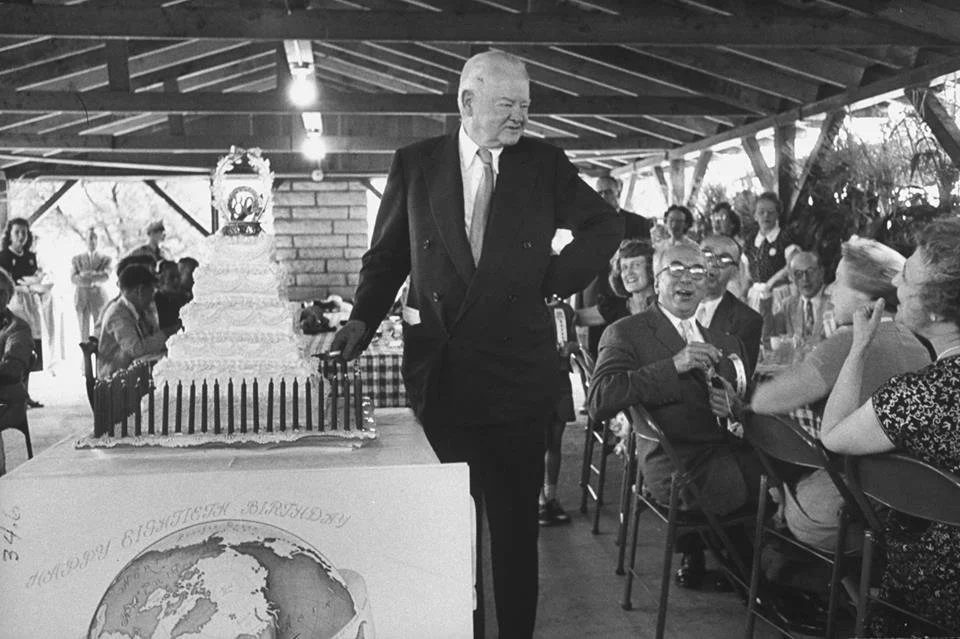
Herbert Hoover at one of his birthday parties.
Now to be fair, I got this information from Dorwart’s book titled Conflict of Duty, wherein he details some very Edward-Snowden-esque concerns about the “intelligence community” and it’s propensity to “violate the constitutional obligations and freedoms that every naval officer had pledged to uphold and defend.” Dorwart calls this the “intelligence dilemma” of operating a political police force in a democracy. Far from only being an ONI problem, Dorwart identifies this dilemma as a problem across the “intelligence community” of which the ONI is simply the oldest part. Dorwart was writing in 1983 and his book was published by the Naval Institute Press in Maryland. Imagine getting an IC pro to admit to this problem now.
Welles’ actions had consequences that Niblack alone couldn’t magic away. After Welles’ foolish hiring decisions a homosexuality scandal rocked the Army and Navy in Newport: “The Newport Sex Scandal”. Josephus Daniels and Franklin Delano Roosevelt, architects of the Navy’s Porn Problem, believed that a band of homosexual spies were working around Newport to entrap Navy personnel via the YMCA. Daniels, a Movie Biz favorite, came up with a Really Great Plan: he ordered young Navy recruits to sleep with presumed spies in order to smoke them out. Neither Daniels nor FDR took responsibility for the plan when it came to light. Why were Daniels and FDR so scared of homosexual spies? The obvious subcontext is the Austro-Hungarian Redl Scandal of 1913: when the Hapsburgs’ trust of their Galician Gang partners collapsed. You can read about it here.
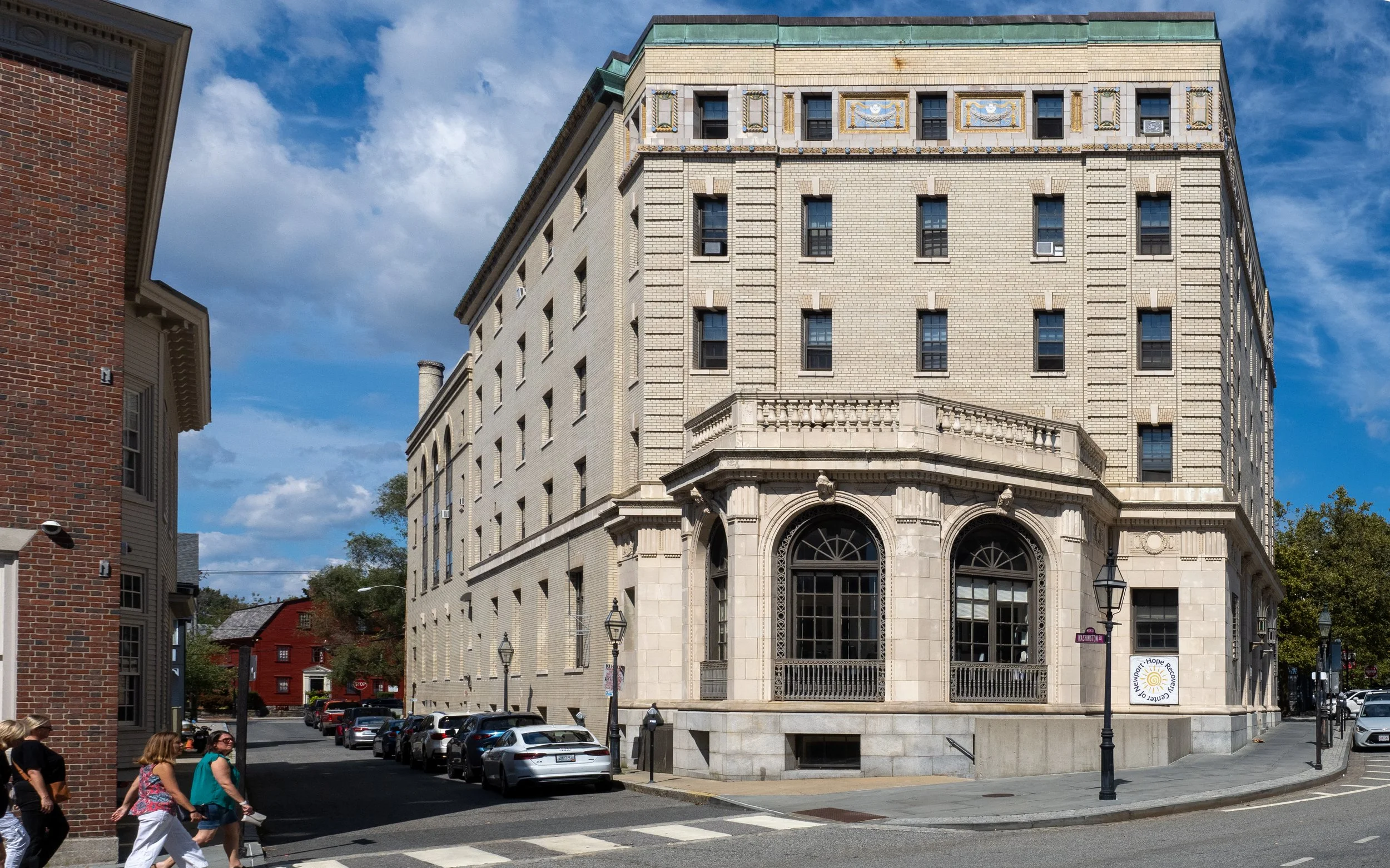
It’s fun at the Army and Navy YMCA in Newport, RI.
Do you think that the ONI’s reckless hiring decisions might have attracted the wrong kind of attention around Rhode Island? Nah.
Grab your seats readers, because the ONI’s problems would only get worse.
Beyond Foster, Lewis L. Strauss was “close” with fellow Kuhn, Loeb & Co. partner Sir William Wiseman, head of British Intelligence in the USA (the notorious “Section V”). Strauss also kept table with Col. Edward Mandell House (handler for Woodrow Wilson when Wilson was in office) and Major General Julius Klein (a Zionist, psychological warfare specialist and administrator of Strauss’s “Finnish Relief” aid in 1939). Klein was the Chicago-born son of Austro-Hungarian immigrants who had relocated to Berlin prior to WWI. During the conflict German authorities imprisoned Julius, he escaped, yet was somehow still able to work for the USA as a spy inside Germany for the remainder of the war. I have no information on whether Julius Klein sold information to other countries during WWI, but his proximity to Wiseman suggests so.
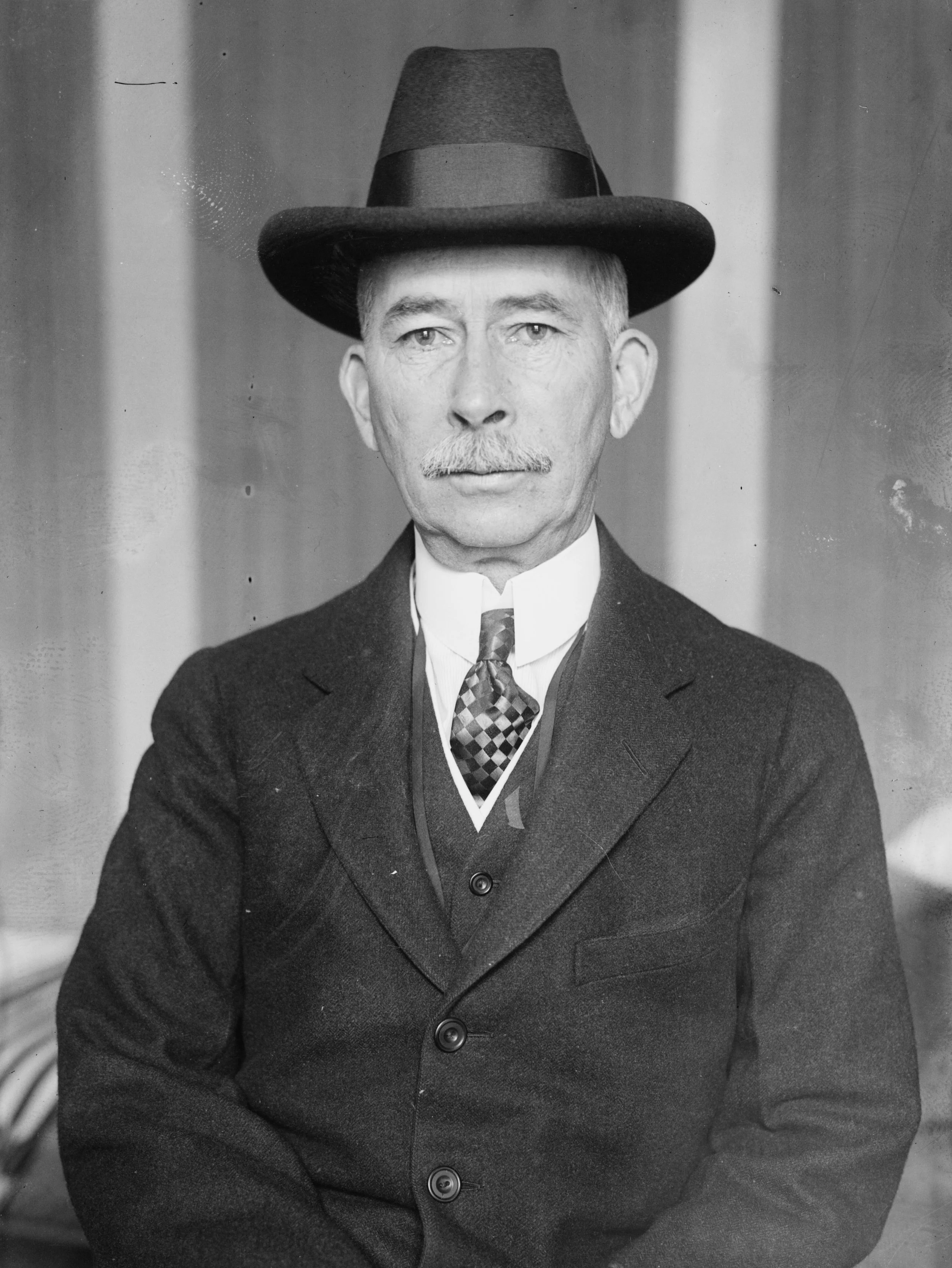
Edward Mandell House’s family made money banking for cotton merchants in the pre-Civil War South. House was the author of “Philip Dru, Administrator”, a novel which inspired FDR’s “big government” philosophies. House was a Christian in a similar way to Flo Ziegfeld.
Read all about buddies Wiseman, Strauss, Klein and House and their cozy relationships with Presidents Hoover and Wilson in Strauss’s autobiography below, “Men and Decisions”.
Wiseman and his crew were the tip of the iceberg. As the 1930s progressed, the ONI’s British problem just kept getting worse. By 1939, the DIO of the Third District was a man named Charles Radcliffe Haffenden.
Haffenden came from an inter-generational British organized crime family based out of Portugal and London: they were shady port merchants like Lucy Duff Gordon’s first husband. This “unorthodox investor” community of port merchants had all sorts of unethical business practices and piracy connections, and provided key financial backing for the “New East India Company” in 1694. Haffenden’s grandfather, Charles Dalley Haffenden, was so notorious for his 1858 Spanish iron mining company frauds that he got his own chapter in D. Morier Evan’s 1859 book Facts, Failures and Frauds: Revelations Financial, Merchantile, Criminal. C.D. Haffenden carried out these crimes with the help of an “army agent and contractor” named “Samuel Isaacs of St. James Street West” [London] and a Colonel W. Petrie Waugh. Charles D. Haffenden’s son Myles slithered to New York state where he became a “liquor dealer” and agent to “Oporto merchants” and sired Charles Radcliffe Haffenden, ONI operator extraordinaire.
By 1939, Haffenden was DIO of the ONI’s Third District just like Paul Foster before him. Haffenden was the man who partnered with Lucky Luciano and Meyer Lansky in a misguided attempt at preventing German submarines from buying Mafia-sourced supplies along the US East Coast. The entire endeavor was predicated on bad intelligence, read up on it here. Unfortunately, Lansky and Luciano used Haffenden as a springboard to partner with another Roosevelt spying outfit, the Office of Strategic Services, and its college-grad counterespionage ‘wunderkind’ James Jesus Angleton. Angleton was recruited by an FDR flunky and probable Soviet intelligence asset named Melvin Purvis II. Purvis would hand Angleton off to the British double agent Kim Philby for special spook training. It would be a comedy of errors if it wasn’t tragic.

Soviet postage stamp commemorating Kim Philby, the father of American Counterintelligence.
The British have a lot to answer for here, because Charles Radcliffe Haffenden was a really bad dude. First of all, prior to his ONI appointment, he was clearly organizing a hot list of US industrial resources that the British could use for their war effort. The New York Times of 1939-38 lists many vanity articles regarding Haffenden and his “American Federation of Little Businesses”, which he ran out of the Astor Hotel just like his “Executives Association” of “social elites” and “gumshoes”.
When William the Conqueror invaded Great Britain in 1066 he had his men catalog all the resources of his new colony in something called “The Domesday Book.” This fact is drilled into the head of every British schoolchild. Haffenden’s “American Federation of Little Businesses” was a ‘Domesday Book’ for the United States of America. Comprised of rotating representatives from mid-level companies in every industry, Haffenden built a brain trust of resources which men like Wiseman could use for war planning. He did the same for higher-level players through the “Executives Association”. It was a smart move for the British, but shows how the US’s oldest intelligence office, the ONI, had become a holding tank for sleazy British operatives sponsored by the Roosevelt Family.
This is Eleanor Roosevelt’s diary entry recounting a 1946 lunch she had with Haffenden’s Executive Association in NYC:
NEW YORK, Friday—Yesterday, I went to a luncheon of the Executives Association of Greater New York. This is an organization comprising one member from all the different trades and businesses within the city. They have an affiliation with a comparable group in London, and they invited me to the luncheon to receive from the British group a very beautifully bound memorial edition of the London Times containing Winston Churchill's speech in Parliament and a record of various other commemorative tributes at the time of my husband's death. This I am to place in the archives of the library at Hyde Park.
It was for me a most interesting and delightful occasion and I was deeply appreciative. As a return gift for the British Executives Association, the New York group had a gavel and sounding block made from the teakwood planks of the deck of the battleship Oklahoma, which was sunk at Pearl Harbor. The appropriate inscriptions bring to mind the fact that the sinking of this ship marked the time when Great Britain and the United States joined together to fight and win the war.
Eleanor Roosevelt, "My Day, April 6, 1946," The Eleanor Roosevelt Papers Digital Edition (2017), accessed 2/9/2026, https://www2.gwu.edu/~erpapers/myday/displaydoc.cfm/displaydoc.cfm?_y=1946&_f=md000306.
NYT coverage of the event notes that Mrs. Roosevelt also took the opportunity to stump for United Nations funding. Funnily enough, busy Eleanor’s name would pop up repeatedly when Haffenden’s connection to drug smuggling came up during the 1951 Kefauver Committee Hearings.
Yup, drug smuggling. What I’ve described so far is pretty bad, but it gets worse. Haffenden had contacts at Tammany Hall and was appointed head of New York City’s Marine and Aviation Department during the war. By 1946 Haffenden had to resign in disgrace because it was revealed that he was selling docking privileges to mafioso. (For some reason, the mafioso liked to joke about Eleanor’s security from federal prosecution on their bugged telephones.) In addition, Haffenden had partnered with Capt. Harry F Guggenheim and Laurence S. Rockefeller to divvy up who got what rights and contracts to NYC’s new Idlewild Airport. The Mellon Family’s Gulf Oil got exclusive fueling rights under unethical circumstances enabled by Haffenden.
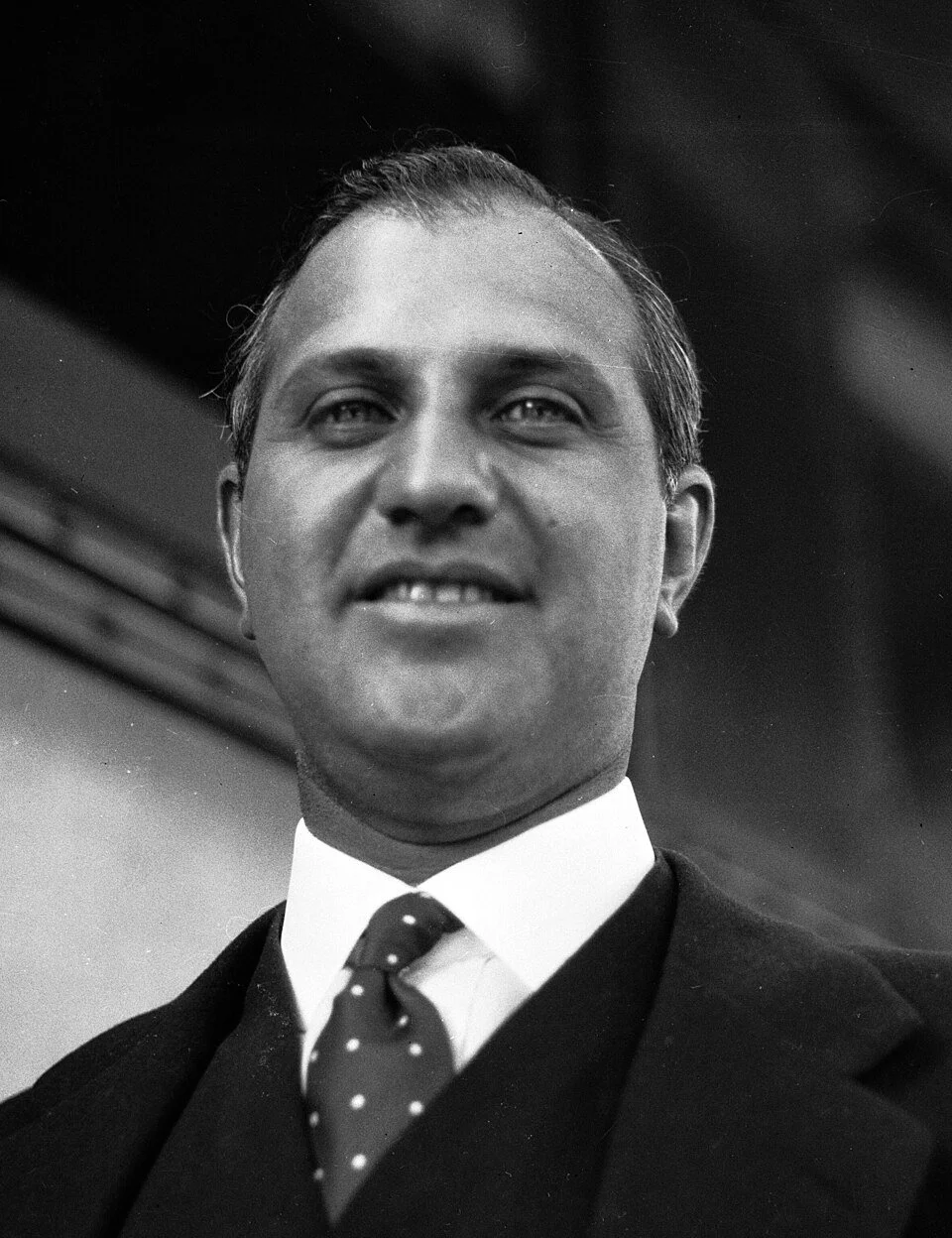
Harry F. Guggenheim, from that Rothschild market-cornering family, was US ambassador to Cuba from 1929 to 1933. His older brother was ambassador to Portugal, so he and Haffenden probably had a lot to talk about.
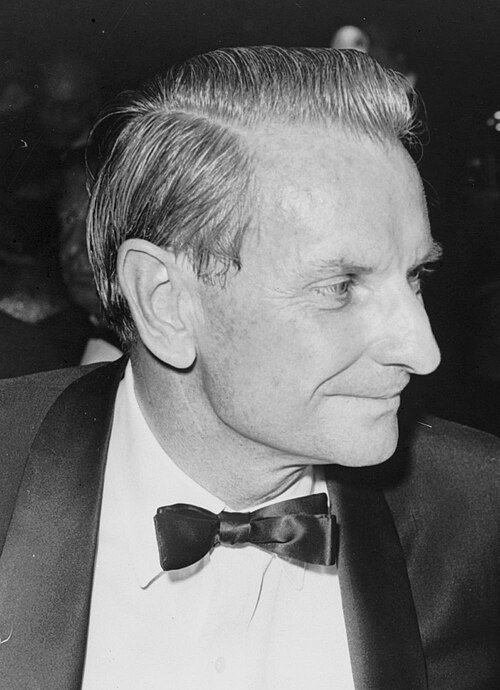
Laurence Spelman Rockefeller. Where do I start? How about his protection of the illegal drug trade: "Overly harsh laws and punishments have reduced faith in government, which is essential to the functioning of a democracy."[9]
I remind readers that Haffenden’s partners Meyer Lansky and Lucky Luciano were heirs to Arnold Rothstein’s world-beating drug smuggling network in NYC. They had operated with the protection of Levi Nutt, the US Treasury’s corrupt Narcotic Enforcement tsar, until Nutt’s many connections with Rothstein forced him out of the Treasury. When Nutt’s replacement Harry J. Anslinger took over at the Federal Bureau of Narcotics, Lansky’s organization grew exponentially and the Roosevelt’s island Cuba became the stopover for illegal drugs en route to the United States.
What did it mean that Haffenden was selling access to NYC ports and airstrips?
On Friday, March 16, 1951 the Kefauver Committee heard Federal Narcotics Agent Samuel Levine testify how drug dealers had refocused on bringing in dope through NYC-area airports and ports. The same piers and airstrips to which Haffenden had been selling access a few years prior. That same day Haffenden was called to testify about Lucky Luciano’s parole; George White— the Treasury’s “supervising narcotic agent” but you know him for MKULTRA— was called to testify about Haffenden’s dealings with Lansky, Luciano and Frank Costello; and Frank Costello was called to testify about drugs and gambling but was held in contempt of the hearing. The implications for Haffenden were clear. He ran south to Huey Long’s territory and kept his head down for the rest of his life.
Yikes, ONI. Yikes.